Type 2 Diabetes Mellitus


Overview of Type 2 Diabetes Mellitus
Type 2 Diabetes Mellitus is a non- communicable disease with an array of metabolic derangement due to hyperglycemic state. The root cause of it is the insulin resistance state resulting in decreased insulin secretion as well as reduced glucose intake by tissues. Consequently, hepatic glucose production and renal reabsorption of glucose are enhanced. Diabetes mellitus is a chronic disease that requires long-term management to limit further development of its devastating complications, namely nephropathy, retinopathy, neuropathy, and dermatopathy. This disease is not curable but can be managed with antidiabetic medications and lifestyle modifications. The risk factor for diabetes mellitus type 2 is 10 times higher for an individual who has diabetics running in family members. Nonetheless, it is still preventable if precautionary steps are taken earlier.
Signs and Symptoms of Type 2 Diabetes Mellitus
Unresolved thirst (Polydipsia), Increased appetite (Polyphagia), Increase urination frequency (Polyuria), Weight loss, Susceptible to skin infections for e.g. balanitis in men and vaginitis in women
Common Causes of Type 2 Diabetes Mellitus
Genetic factors: Risk of having diabetes increases dramatically in individuals with positive family history of type 2 diabetes in a first-degree relative
Risk Factors of Type 2 Diabetes Mellitus
Chronic smokers, Overweight/obesity, Pre- hypertensive or hypertensive patients, History of previous impaired glucose tolerance (IGT) or impaired fasting glucose (IFG), History of gestational diabetes mellitus or of delivering a baby with a birth weight of 4 kg and above, Women diagnosed with polycystic ovarian syndrome (PCOS), Sedentary lifestyle, History of cardiovascular disease, Side effects of medications such as steroid therapy, antiretroviral therapy or on atypical antipsychotic drugs.
Investigation Techniques for Type 2 Diabetes Mellitus
Urinalysis for albumin or microalbuminuria, ECG, Blood pressure, Waistline, BMI, Visual acuity and fundoscopic examination, Feet examination, Neurological examination. Fasting Plasma Glucose > 7.0 mmol/l, Plasma glucose > 11.1 mmol/l two hours following Oral Glucose Tolerance Test (OGTT), Random plasma glucose >11.1 mmol/l ( in symptomatic patient), HBA1C > 48 mmol/mol ( >6.5%)
Treatment and Prevention of Type 2 Diabetes Mellitus
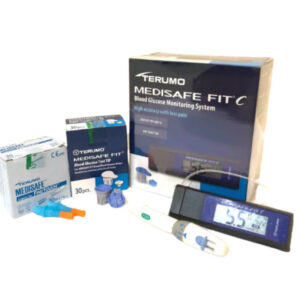
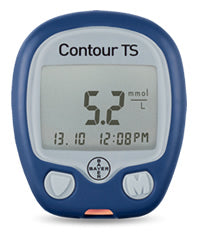
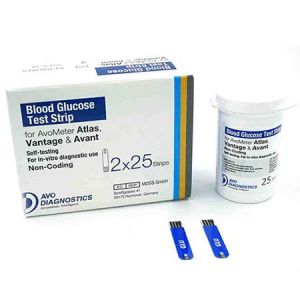
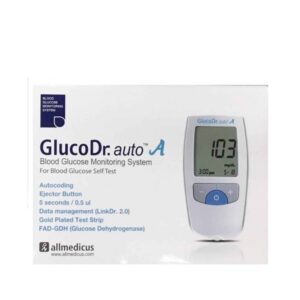
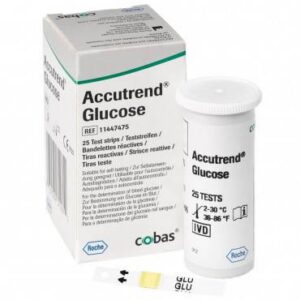
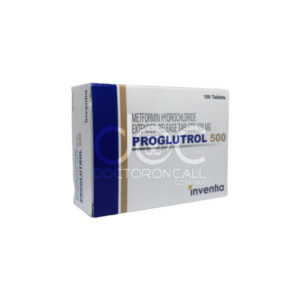
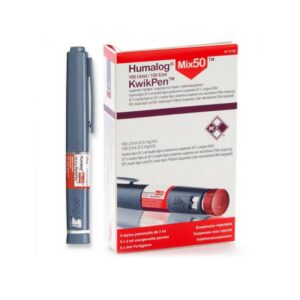
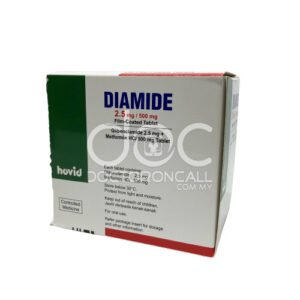
Lifestyle modification such as quit smoking, reduce alcohol consumption, control dietary intake and avoid consuming high salt, fatty and sugary food or drinks, Exercise regularly at least 150 minutes per week. Psychotherapy and counseling on diabetes education including self- monitoring of blood glucose. Oral antidiabetic medications. Insulin injection is prescribed only if blood sugar is inadequately controlled even on oral tablets.