

An asthma attack usually occurs when the patient is exposed to certain conditions or substances that cause their airways to narrow, either due to swelling of the airway wall lining, contraction of the muscles around it, or excessive mucus secretion.
Frequent asthma attacks are signs of serious asthma. Therefore, controlling asthma attacks or preventing asthma attacks from occurring frequently is very important in the management of asthma patients.
How to Prevent Asthma Attacks?
Here are steps you can take as an asthma patient to prevent frequent asthma attacks.
1.Identify the trigger factors and avoid them

Knowing what substances or conditions can trigger your asthma is one of the most important steps in preventing an asthma attack.
By knowing what can trigger it, you can be vigilant and avoid exposure to identified conditions or substances such as dust, pollen, smoke and cold weather.
In addition, you can also be prepared with medications such as having your reliever inhaler with you if you are at risk of being exposed to the trigger in an unavoidable situation.
2. Follow your treatment regime and regular checkup schedule
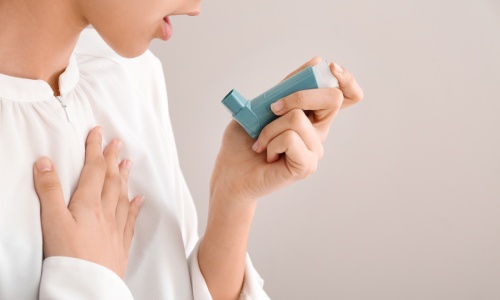
There are many types of asthma treatments. The most common asthma medication that we hear about and most commonly taken by asthma patients is a reliever that is usually in the form of an inhaler and is also called a reliever inhaler.
Inhalers are usually very important to take anywhere and only used, when necessary which is during an asthma attack.
Other asthma medications are available in the form of inhalations as well as oral medications. It is usually taken daily depending on the condition or severity of the patient’s asthma. This medication is also called preventer or maintenance medication.
Taking medications either reliever, preventer or maintenance should be taken as recommended by the doctor. If you feel that your asthma attacks are getting more frequent, please consult your doctor to find out the severity of your asthma attack and get your medication dose adjusted or change medication if necessary. Also, make sure that the technique of using your inhaler is correct to get the maximum benefit.
3. Bring your asthma medicine everywhere you go

As an asthmatic, whether you have frequent attacks or not, make sure you carry your asthma medication, especially your reliever wherever you go. This is because asthma attacks can occur anywhere and at anytime.
You should always make sure your asthma medication is placed where it is easily reachable and close to you during sleep. Asthma at night is also easy to happen because of the cold temperature at night, so one way to prevent asthma attacks at night is to use a blanket and make sure your room is not too cold and not dusty.
4. Wear a face mask outdoors
It is common knowledge that deteriorating air quality coupled with increasing air pollution puts everyone at high risk of getting a respiratory disease infection. This condition is worse in asthmatics.
Therefore, the habit of wearing a face mask when doing outdoor activities should always be practiced as one of the efforts to prevent asthma attacks.
In line with the directive from the Malaysian government that requires us to wear face masks during the Covid 19 pandemic, the US CDC has explained that double masking can protect you by filtering out more dirt and small particles than if you only wore one face mask.
5. Get vaccine shots like influenza & pneumococcal

In addition, avoiding respiratory tract infections is also one of the ways for you to prevent asthma.
Respiratory tract infections such as influenza and pneumonia can easily trigger an asthma attack and make your condition worse.
Therefore, getting vaccinated for influenza and pneumococcal infections can prevent you from getting these infections while reducing the risk of serious asthma attacks.
6. Stay away from smoke especially cigarette smoke
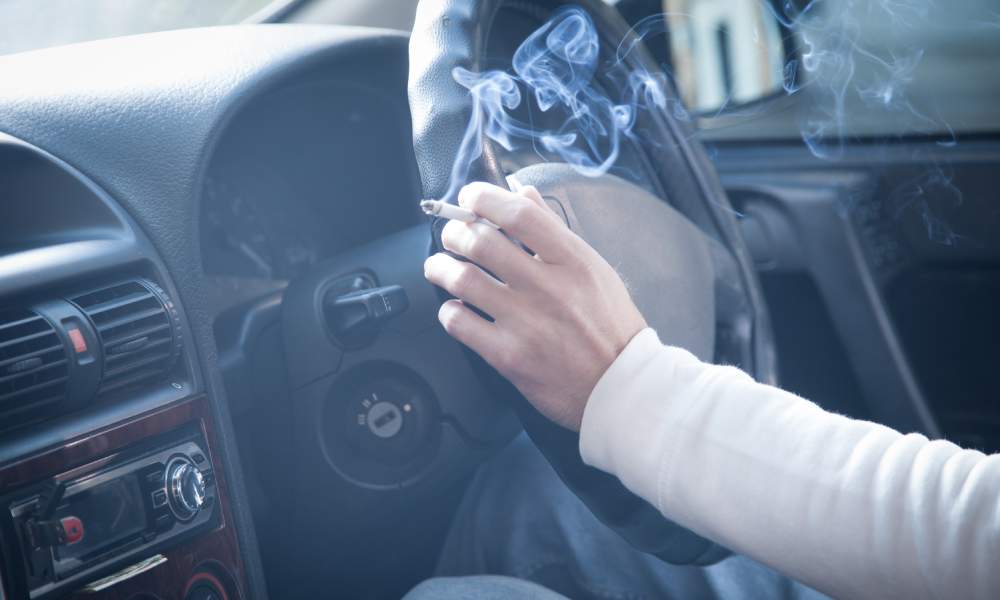
Smoke regardless of cigarette smoke or smoke from pollutants such as open-air burning or factory smoke is toxic and harmful to your lungs. Healthy individuals are also at risk for various complications due to exposure to smoke, and more in those with asthma.
Therefore, stay away from any smoke and wear a face mask as recommended if there is a risk of exposure to it and it is unavoidable.
7. Keep your home free of allergens or triggers
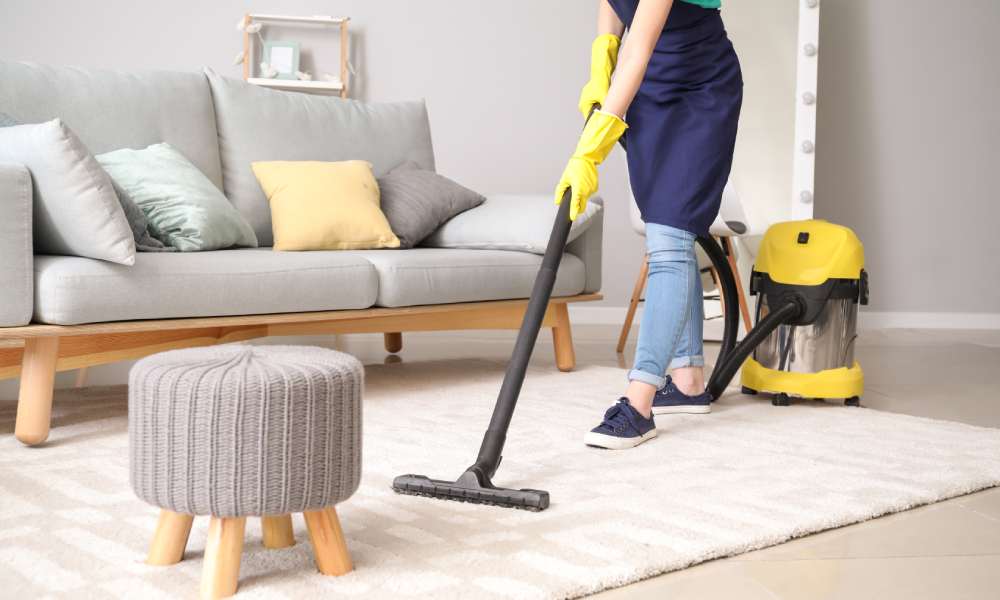
As an asthmatic, you need to make sure that your home is the safest place for you to breathe.
Clean your home regularly to prevent dust from accumulating and avoid using chemicals such as certain fragrances if you are allergic to them.
You are also advised to avoid having furry pets if they have been identified to be triggering your asthma attack.