

Dengue Fever in Malaysia
Dengue fever, a mosquito-borne infection caused by viruses, remains a pressing health issue in Malaysia. Situated in tropical and subtropical regions, Malaysia’s geographical and environmental factors make it particularly prone to the endemic spread of the dengue virus.
Cause of Dengue fever
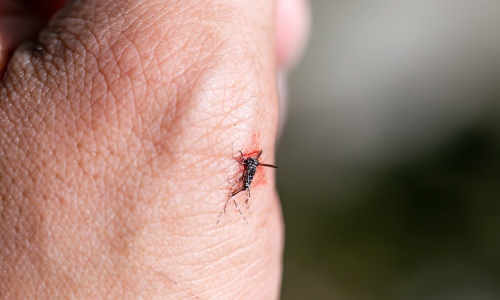
The Aedes mosquito, mostly the Aedes Aegypti mosquito, spreads four closely related viruses that cause dengue fever. These mosquitoes do well in cities and lay their eggs in structures with standing water, like old tyres, flower pots, and water storage tanks.
Controlling places where mosquitoes can breed is crucial for stopping dengue outbreaks because these breeding grounds significantly contribute to the disease’s spread, particularly in densely populated areas. If a mosquito carrying the dengue virus bites a person, it enters their system and makes them sick.
Is There a Medication?
There is no antibiotic or antiviral medication for dengue fever. The treatment is mainly supportive and for relief of symptoms. The most important parts of treating dengue fever are:
Sufficient Fluid / Water
Drink enough water for the day to prevent dehydration.
Symptom Relief and Fever Control

Pain killers, like paracetamol, can be given to lower heat and ease pain. Stay away from aspirin and other medicines like ibuprofen and diclofenac pills that will cause bleeding.
People who feel sick and want to throw up may be given medicine.
Ministry of Health Malaysia on Dengue Vaccine
Since 2011, The Ministry of Health has been using the National Dengue Strategic Plan (NDSP) to prevent and control mosquito bites. The NDSP has seven strategies: improving mosquito surveillance; using integrated vector management to tackle mosquito bites; focusing on mosquito bite case management; getting people and communities involved in preventing mosquito bites; making sure there is a quick response to manage mosquito bite outbreaks; and coming up with new innovative methods through mosquito bite research. The Ministry of Health Malaysia plays a crucial role in this effort, collaborating with various stakeholders to implement these strategies effectively, particularly in addressing infectious diseases like dengue and COVID-19 through vaccination.
Dengue Prevention Strategies

Prevention, the cornerstone in combating dengue infections, emphasizes controlling mosquito populations and raising awareness about mosquito bites and mosquito repellent. While treatment is crucial, community efforts to eliminate breeding sites and promote proper waste management are equally vital. Combining personal protective measures with community-based initiatives can effectively reduce the risk of dengue outbreaks.
Dengue Vaccine

In recent years, the development of a dengue vaccine has given people hope in their fight against the disease. The Qdenga vaccine, although not widely available, has been licensed for use in several countries, including Malaysia. It protects against dengue fever in part and is suggested for people aged 4 and above who live in places where it is common with dengue infection.
Vaccinations should not be used instead of other ways to avoid getting dengue fever, though, and general screening is still very important for finding and treating cases of the disease properly.
Conclusion
In conclusion, dengue outbreaks remain a significant concern for Malaysian public health. Accurate diagnosis and prompt treatment are of utmost importance in combating dengue outbreaks. Even with dengue vaccination available, public education and efforts to reduce mosquito populations are essential. By working together, we can effectively address dengue outbreaks and safeguard the health of our communities.
References:
- Schaefer, Timothy J., et al. “Dengue Fever.” StatPearls, StatPearls Publishing, 6 March 2024. https://www.ncbi.nlm.nih.gov/books/NBK430732/. Accessed 20 May 2024.
- Tayal, Anshula et al. “Management of Dengue: An Updated Review.” Indian journal of pediatrics vol. 90,2 (2023): 168-177. https://doi.org/10.1007/s12098-022-04394-8. Accessed 20 May 2024.
- Kularatne, Senanayake Abeysinghe, and Chamara Dalugama. “Dengue infection: Global importance, immunopathology and management.” Clinical medicine (London, England) vol. 22,1 (2022): 9-13. https://www.sciencedirect.com/science/article/pii/S1470211824030069?via%3Dihub. Accessed 20 May 2024.
- Rivera, Luis et al. “Three-year Efficacy and Safety of Takeda’s Dengue Vaccine Candidate (TAK-003).” Clinical infectious diseases : an official publication of the Infectious Diseases Society of America vol. 75,1 (2022): 107-117. https://academic.oup.com/cid/article/75/1/107/6381105?login=false. Accessed 20 May 2024.