

Ovarian cancer is a life-threatening type of cancer that affect women’s reproductive systems. It begins when abnormal cells in the ovaries grow and divide in an uncontrolled way.
Stages of Ovarian Cancer
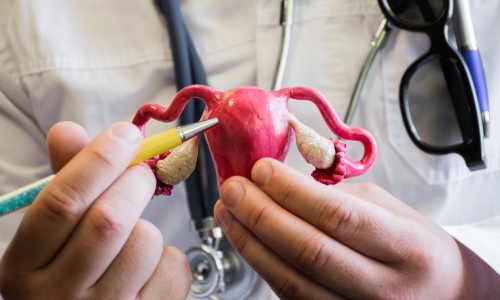
The stage of ovarian cancer is a critical factor in determining the most appropriate treatment plan when dealing with ovarian cancer. According to the National Cancer Institute, cancer stages include.
Stage 1: The cancer is localised to one or both ovaries and has not yet spread to other areas. A tumour may be present at this stage, but it has not grown beyond the capsule of the ovary.
Stage 2: The cancer has spread beyond the ovary to other organs in the pelvic area. Additionally, a tumour may be present at this stage, but it is smaller than two centimetres in diameter.
Stage 3: Cancer has spread beyond the pelvic area and into the abdomen. Tumours may have grown to more than two centimetres in diameter.
Stage 4: Cancer has spread to other organs outside the abdomen and may be present in lymph nodes or distant organs such as the lungs, liver, or brain.
It is important to note that ovarian cancer can progress quickly, so it’s essential to seek medical advice as soon as you suspect the disease.
Diagnosing Ovarian Cancer

The diagnosis of ovarian cancer usually involves various tests to confirm the presence of cancer. As stated by the American Cancer Society, these include:
Physical exams:To help assess overall health and look for signs or symptoms related to ovarian cancer.
Pelvic exams: The doctor will feel the ovaries and surrounding organs for lumps or other changes in shape and size.
Blood tests: To measure the levels of CA-125, which is found in ovarian cancer cells and in some normal tissues.
Ultrasound: To create images of internal organs for better visualisation.
Biopsy: A sample of ovarian tissue will be taken to determine if there are cancer cells present.
Laparoscopy: A small camera is inserted into the abdomen to obtain images and take tissue samples.
These tests can help diagnose ovarian cancer accurately, which is important for successful ovarian cancer treatment.
Ovarian Cancer Treatments

Treatment for ovarian cancers typically involves surgery, chemotherapy, hormone therapy, and radiation therapy.
Surgery: Removal of one or both ovaries and fallopian tubes, the uterus, lymph nodes, and other tissues nearby would often be necessary to treat ovarian cancer.
Chemotherapy: This involves taking medications to attack cancer cells.
Hormone therapy: Hormone therapy is used to block the effect of hormones that encourage tumour growth.
Radiation therapy: Radiation is used to kill cancer cells and shrink tumour.
In some cases, a combination of treatments is used for advanced ovarian cancer cases like advanced epithelial ovarian cancer.
Ovarian cancer can be a difficult diagnosis, but with the right treatment plan and support, it is possible to manage the disease. It is important to consult with your doctor for the ideal treatment plan tailored to your condition.
Conclusion
Ovarian cancer can be a life-threatening condition if not diagnosed and treated in time. By being aware of the symptoms and getting regular checkups, you can help ensure an early diagnosis and successful treatment for ovarian cancer. It’s also important to be aware of the risk factors associated with ovarian cancer, such as age and family history, and to make lifestyle changes to reduce your risk.
If you are diagnosed with ovarian cancer, your doctor will be able to determine the stage of the cancer and suggest a suitable treatment plan. With an accurate diagnosis, advanced-stage ovarian cancer can be successfully treated with surgery, chemotherapy, hormone therapy, and radiation therapy.
Book an appointment with our professional doctors at DoctorOnCall today to discuss any concerns you may have about ovarian cancer and to schedule a screening or check-up.