

Cervical cancer is one of the most common cancers in women worldwide. Fortunately, it is also one of the most preventable and treatable cancers. A Pap smear, also known as a Pap test, is a crucial screening tool for cervical cancer aside from HPV tests.
In this article, we’ll discuss everything you need to know about Pap smears, cervical cancer screening, and how to prevent cervical cancer.
Understanding Cervical Cancer and Pap Smear
Cervical cancer is a type of cancer that develops in the female reproductive system known as the cervix, the lower part of the uterus that connects to the vagina.
Cervical cancer is typically divided into two distinct types: squamous cell carcinoma and adenocarcinoma. However, squamous cell carcinomas are responsible for up to 90 percent of cervical cancer cases.
Most cervical cancers are caused by human papillomavirus (HPV) infection, a common sexually transmitted infection. HPV can cause abnormal changes in cervical cells, which can eventually develop into cancerous lesions.
A Pap smear is a simple test that collects cells from your cervix and examines them for pre-cancerous or cancerous cells. Pap smears can detect invasive cervical cancer cells at an early stage when they are most treatable.
Routine Pap testing is recommended for all women between the ages of 21 and 65, or as recommended by their healthcare provider.
Who Needs a Pap Smear and When?

According to the American Cancer Society and the World Health Organization, women should start getting Pap tests at age 21, regardless of their sexual activity. Here are some guidelines for cervical cancer screening:
Women between the ages of 21 and 29 should have a Pap test every 3 years.
Women between the ages of 30 and 65 should have a Pap test every 3 years, or a Pap test combined with an HPV test every 5 years.
Women over the age of 65 who have had regular screenings with normal results may stop cervical cancer screening.
Women with a family history of cervical cancer, HPV infection, or weakened immune system may need more frequent Pap tests. Your healthcare provider can recommend the best screening schedule for you.
How is Pap Smear Done?
A Pap smear is a quick and painless test that can be done during a pelvic exam. Here’s how it’s done:
Lie on your back on an exam table with your feet in stirrups.
Your healthcare provider inserts a speculum into your vagina to widen it and examine your cervix.
A small brush or spatula is used to collect cells from your cervix.
The cells are sent to a lab for examination.
If the result shows an abnormal Pap smear, further testing may be needed, such as colposcopy for HPV testing.
Preventing Cervical Cancer
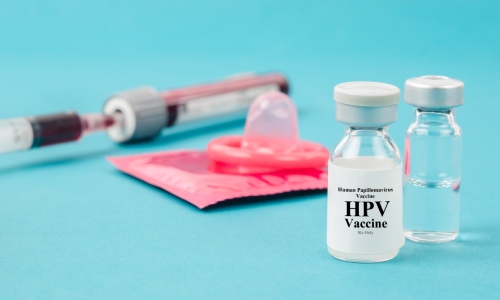
The best way to prevent cervical cancer risk factors is to prevent HPV infection. Here are some tips for preventing HPV infection:
Get vaccinated: The HPV vaccine is available for both men and women. The vaccine is most effective when given before sexual activity.
Practise safe sex: Use condoms and limit your number of sexual partners.
Get screened: Regular Pap testing can detect abnormal cells before they become cancerous.
In addition, maintaining a healthy lifestyle, such as not smoking and eating a balanced diet, can also help prevent you from developing cervical cancer.
Treatment for Cervical Cancer
If abnormal cells are detected, further testing and treatment may be necessary. Treatment for cervical cancer depends on the stage and extent of the cancer.
Early-stage cervical cancer can often be treated with surgery, while more advanced cervical cancer may require radiation therapy or chemotherapy. Your healthcare provider can recommend the best treatment option for you.
Conclusion
Pap smears are an important tool for cervical cancer screening and prevention. Almost all cervical cancers are preventable with routine Pap testing and HPV vaccination.
By understanding the importance of cervical cancer screening and taking steps to prevent HPV infection, we can protect ourselves from this common and potentially deadly cancer.