

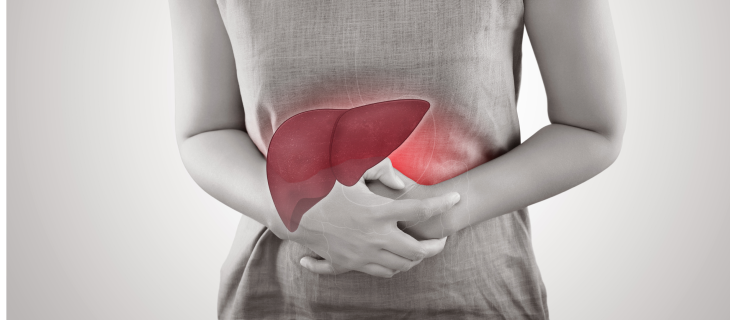
Hepatitis C is a potentially life-threatening infection of the liver that can lead to chronic diseases such as cirrhosis or liver cancer. It is a bloodborne viral infection, meaning it spreads through direct contact with infected blood. Not only that, but the asymptomatic nature of hepatitis C can make it difficult to diagnose until severe symptoms appear. A few of the symptoms associated with hepatitis C include: loss of appetite, jaundice, dark coloration in urine, and others.
Therefore, it is crucial to understand how one can contact the disease, and thus learn how to prevent them. Here are several ways the hepatitis C virus (HCV) can enter your bloodstream.
Intravenous Drug Use
Injecting intravenous drugs is one of the most common ways of getting infected with hepatitis C. Sharing needles, syringes, and other injectable equipment poses a variety of health risks, including HCV. People who get the hepatitis C virus through drug use may experience a different course of disease than those who contract the virus through other means. This is because needle sharing can lead to a variety of diseases outside of HCV, and any infections one person may have can be easily transmitted onto another.
Those who are periodically exposed to the virus as a result of chronic drug use are also more likely to be re-infected following hepatits C treatment, making this transmission method particularly dangerous.
Needlestick Injuries
This transmission method is particularly applicable for healthcare officials. Needlestick injuries are a problem for nurses, doctors, and any healthcare workers who uses needles on a regular basis when delivering medical care. These are wounds that are accidentally made by used needles that puncture the skin.
In fact, more than 600,000 needlestick injuries are projected to occur each year, with nurses being the most vulnerable. Acute hepatitis C occurs in roughly 2% of needlestick injuries where the needle has been contaminated with HCV.
Sexual Contact
Hepatitis C can be transmitted through sexual contact, but it can be considered uncommon. HCV is not detected in large amounts in semen or vaginal secretions, unlike the hepatitis B virus, which is known to be present in both fluids.
Your chances of contracting HCV via sexual contact are higher if you have:
Several sexual partners
Direct contact with blood
A sexually transmitted disease
HIV-positive condition
Unprotected intercourse, especially with a same-sex partner, increases your chance of hepatitis C infection.
Past Blood Transfusion
Blood transfusions were formerly a popular route for the spread of the hepatitis C virus. People with haemophilia, thalassemia, or other diseases who needed frequent transfusions were especially vulnerable.
However, blood donations today are screened for HCV antibodies as well as HCV genetic material, making exposure to hepatitis C through blood transfusion extremely rare.
Mother-to-Child Transmission
A small percentage of children born to hepatitis C-positive mothers get infected with the virus. This is referred to as a vertical spread. If the mother has HIV or a large amount of the hepatitus C virus in her body at the time of delivery, the chance of vertical spread almost doubles.