

Cervical cancer is a type of cancer that affects the cells of the cervix, which is the lower portion of the uterus. It occurs when abnormal cells grow and divide uncontrollably in the cervix, eventually forming a tumour1. It is a preventable disease, and there are several steps you can take to reduce your risk.
Stop Smoking

Smoking is a major risk factor for developing cervical cancer. Smoking weakens your immune system and increases your chance of developing precancerous lesions of the cervix as well as increasing the chance of developing cervical cancer2.
If you are a smoker, quitting is one of the best ways to reduce your risk for this disease.
Using a Condom
Using a condom can help you prevent cervical cancer. Cervical cancer is a type of cancer that some women get, but using condoms can stop it from happening.
Condoms are effective in preventing the spread of many sexually transmitted infections (STIs), including Human Papillomavirus (HPV). When these viruses don’t enter through sexual contact, it can greatly reduce your chances of developing cervical cancer3.
Avoid Having Multiple Sexual Partners

HPV is a sexually transmitted infection that can cause genital warts, cervical cancers, and several other types of cancers.
Limiting your number of partners or being in a mutually monogamous relationship with someone who has not had any other partners can reduce the risk of HPV infections for you and your loved one4.
Getting the HPV Vaccination
The HPV vaccine helps protect against the strains of HPV that can cause cervical cancer.
While the vaccine is highly effective at preventing an HPV infection, it does not treat any existing infections.
According to the American Cancer Society, the HPV vaccine is recommended for5:
Girls and boys aged 9 to 12
Anyone ages 13 to 26
Teenagers who have not already had all three doses of the vaccine.
It is important to get vaccinated against HPV, but this does not guarantee that the cancer will never occur. Therefore, regular screening tests are essential in order to detect any potential cases of cancer before they become serious.
Cervical Cancer Screening
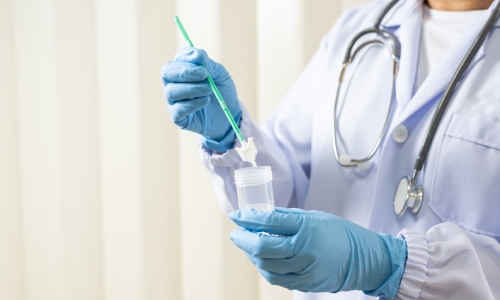
Getting regular screenings such as Pap tests and HPV testing can help detect precancerous cells early before they turn into cancer6.
Pap Smear Test: A Pap smear is a screening test used to detect changes in the cells of the cervix. It can find precancerous lesions and cancer if present.
HPV Test: HPV testing looks for high-risk strains of HPV that are associated with an increased risk of cervical cancer.
In Summary
Taking these steps can help reduce your risk of developing cervical cancer and give you peace of mind knowing that you are doing all that you can to protect your health. By taking proactive measures through lifestyle changes and regular screenings, you can give yourself a better chance of reducing cervical cancer risk.