

Colorectal cancer is a serious health concern that can develop in the colon or rectum. One way to detect colorectal cancer is through stool tests, which can reveal signs of blood in the stools that may indicate the presence of colon cancer.
What is Colorectal Cancer?
Colon cancer develops when abnormal cells in the colon or rectum grow out of control. It occurs when cancer has spread through the colon wall and into other parts of the body.
Type of Stools: Colon Cancer

Believe it or not, your bowel habits can give important clues about your health. Here are some things to look out for:
Consistency: Your stool should be well-formed and easy to pass. If it’s consistently loose or watery, it could be a sign of an underlying problem.
Colour: While poop can come in many shades of brown, black, red, or white, this could indicate an issue that needs medical attention.
Frequency: Though not all bathroom habits are the same, a sudden change in your bowel movements could be a sign of an issue.
Presence of blood: Seeing blood in your stool or rectal bleeding is never a good sign and should be checked by a doctor.
Common signs and symptoms that can increase colon cancer risk include:
Abdominal pain or cramping
Unexplained weight loss
Fatigue or weakness
Nausea or vomiting
Stool Tests for Colorectal Cancer Screening
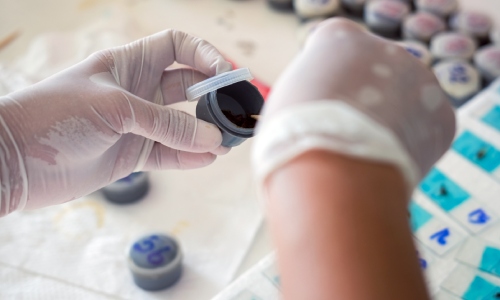
Stool tests are an effective colon cancer screening tool for detecting the disease in its early stages. There are different types of stool tests available, including:
Faecal occult blood test (FOBT): This test looks for blood in the stool that may not be visible to the naked eye.
Faecal immunochemical test (FIT): This test also detects the presence of blood in the stool, but it is more sensitive and specific than the FOBT.
Stool DNA test: This test looks for abnormal changes in DNA that may indicate the presence of colon cancer cells.
If stool tests reveal any abnormal results, your healthcare provider may recommend further testing to diagnose colon cancer.
Reducing Your Colon Cancer Risk

According to the National Cancer Institute, there are several steps you can take to reduce the risk of developing colon cancer. These steps include:
Have a healthy diet (high in fibre and low in red and processed meats)
Maintain a healthy weight
Get screened
Exercise regularly
Limit alcohol consumption
Manage inflammatory bowel disease (like ulcerative colitis)
Quit smoking
By taking these steps, you can reduce your risk of developing colon cancer and maintain a healthy digestive tract. If you experience any symptoms of colorectal cancer, including blood in your stools or severe abdominal pain, it is essential to speak with your healthcare provider right away.
All Things Considered
Colorectal cancer is a serious health problem that can be found by checking your stool for blood. If you see any blood in your stool or have a really bad stomach ache, it’s important to tell your doctor right away.
Regular check-ups and living a healthy lifestyle can help keep you from getting colon cancer or can help you get better faster if you do get it.
Contact us to book an appointment with our doctors at DoctorOnCall and schedule a checkup or test today. With DoctorOnCall, we are here to help you on your journey to good health.