

Breast cancer is the most common type of cancer in women. When the cells in the breast tissue multiply uncontrollably, they form a tumour. Breast cancer detection is critical for successful prevention and treatment. Before we get into how to diagnose breast cancer, let’s first look at the symptoms.
Symptoms of Breast Cancer
Breast cancer symptoms can be detected by self-examination or by a doctor. Among these are:
- Lumps or lumps that can be felt in or around the breast
- Pain or discomfort in the breast
- Changes in breast shape or size
- Reddish, yellowish or scaly skin on or around the nipples
- Blood or fluid oozing from the nipple
8 Ways to Detect Breast Cancer
1. Breast Self-Examination
Breast self-examination is an effective way to detect abnormal changes in the breast. This examination can be done by the individual himself or by a doctor. It can be done with the following steps:
- Stand in front of a mirror with both hands on your hips and observe any changes in breast size or shape.
- Place your hands behind your head and notice any changes in the size or shape of your breasts.
- Gently press your breasts with your fingers and watch for changes in the skin surface or discharge from the nipples.
2. Breast Ultrasound
Breast ultrasound is a method of producing breast images using sound waves. This method is safe and painless. It is usually used to check for breast lumps that are felt during self-examination or by a doctor.
3. Diagnostic Mammogram
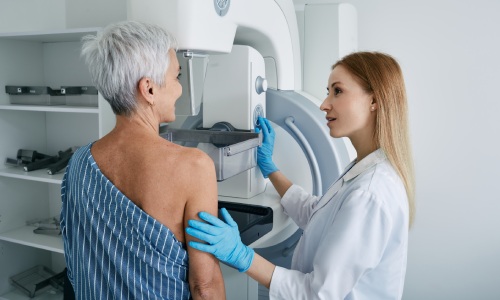
A diagnostic mammogram is a method of diagnosing breast cancer that uses X-rays to take pictures of the breast. It helps doctors find abnormalities or lumps in the breast that cannot be felt by hand.
4. Breast Magnetic Resonance Imaging (MRI)
This method produces images from various angles by using a magnetic field and radio waves. A breast MRI can detect small changes in breast tissue that a mammogram or ultrasound cannot.
5. Biopsy
A biopsy is a procedure to take a sample of suspicious breast tissue for examination under a microscope. A biopsy can be done through several methods as follows:
- Fine needle aspiration biopsy: This method involves extracting a sample of tissue from a suspicious area of the breast using a fine needle. To remove a tissue sample, a needle will be connected to a suction device.
- Core needle biopsy: This procedure involves taking a larger sample of tissue than a fine needle aspiration biopsy using a larger needle. A tissue sample will be removed using a suction technique.
- Surgical biopsy: This technique involves removing the entire area of suspicious breast tissue via surgery. The laboratory will then test the sample area.
- Image-guided biopsy: This procedure involves using X-rays, MRI or ultrasound to help locate suspicious areas of the breast. Once the area is characterised, a needle will be used to take a tissue sample.
- Sentinel lymph node biopsy: This procedure entails extracting a sample from the first lymph node that receives blood flow from the breast cancer area. This lymph node sample will then be examined for signs of cancer.
6. CT Scan
Breast cancer is also diagnosed using CT scans. It is a scanning procedure that uses X-rays to create a complete image of the body. This scan detects breast tissue damage and the presence of tumours in the breast. This is a painless and risk-free procedure for the patient.
7. Bone Scan
A bone scan is a method used to detect the spread of breast cancer to the bones. This process is done by taking radiographs of the patient’s bones. It helps doctors to determine the bone damage caused by breast cancer and monitor the progression of the disease in the bones.
8. PET scan
PET scans are used to detect breast cancer at an early stage. This process involves injecting a radioactive material into the body to produce a 3D image of the patient’s body, including the breast and surrounding tissue. It helps doctors detect cancer cells that have spread in the patient’s body.
Get a breast cancer screening now! Take care of your breast health to ensure a better tomorrow.
New Methods in Testing Phases
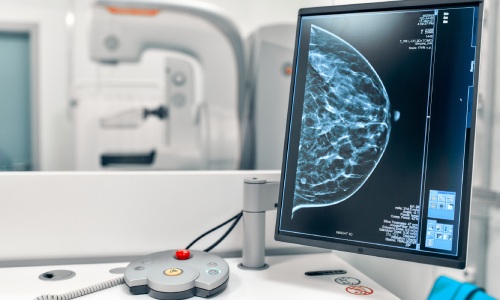
Rapid breast MRI
Rapid breast MRI is a method used to detect breast cancer at an early stage. This method uses magnets and radio waves to produce highly detailed images of the breast and helps detect breast cancers that are too small to be used with other methods.
Nuclear medicine tests (radionuclide imaging)
Nuclear medicine imaging is a method of detecting breast cancer that uses radioactive material. This method aids in the detection of cancer in suspicious breast areas and assists doctors in selecting the best treatment. There are various types of radionuclide imaging, including:
1. Molecular breast imaging (MBI)
This molecular breast imaging helps detect breast cancer cells that are too small to be detected by other methods. This method also helps doctors distinguish cancer cells from healthy breast tissue.
2. Newly introduced mammography:
- Positron emission mammography (PEM)
This is a test that requires the injection of a radioactive substance into the body. Gamma rays will be used to take pictures of the breast and help identify any changes in the tissue. PEM is usually used to detect cancers that are smaller or that cannot be seen with a regular mammogram.
- Contrast-enhanced mammography (CEM)
This is a test that uses X-rays to photograph the breast in order to detect abnormalities such as lumps. Contrast material is injected into the body prior to a mammogram to aid in the detection of cancer cells in CEM.
4. Elastography
The hardness or softness of the breast tissue is measured using sound waves in this test. It can aid in the detection of changes that may indicate cancer.
5. Optical imaging test
Infrared light is used in optical imaging tests to create an image of the breast. This aids in the detection of differences in breast tissue that could indicate the presence of cancer.
6. Electrical impedance tomography (EIT)
This is a new technology that uses electrodes on the breast’s surface to generate an electric current in the breast tissue. This aids in the detection of differences in tissue that may indicate the presence of cancer.
What Happens After a Breast Cancer Diagnosis?

- Treatment – Breast cancer treatment depends on the stage of the cancer and the overall health of the individual. Treatment may include surgery, chemotherapy, radiotherapy, hormone therapy or a combination of several treatment methods.
- Emotional support – Being diagnosed with breast cancer can cause stress and other emotional disturbances. Support groups with health professionals can help people deal with feelings and emotions, providing motivation to continue fighting against cancer with a positive mindset.
- Further monitoring – Individuals with breast cancer require additional monitoring and testing to ensure that the cancer does not return.
- General health – Individuals with breast cancer should take care of their general health by eating healthy foods, exercising regularly and avoiding smoking.
Delay No More!
Breast cancer detection is critical for effective detection and treatment. Women should be aware of the early signs of breast cancer and participate in regular screenings such as breast self-examination, mammograms and clinical breast examinations. Your health is your responsibility!