
Most people think that HIV will only infect people that are having multiple sexual partners or are drug addicts. Actually, this is not the reality. There are many people living with HIV out there who are infected with this virus without their knowledge and even if they have never done any risky activities such as sexual intercourse or sharing needles. So how do they get HIV?
How Can a Person Get HIV?
A person can be infected with HIV by transmitting the virus through several types of bodily fluids. Body fluids mentioned are:
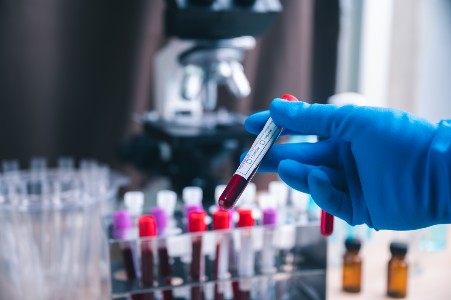
Blood
Semen or pre-seminal fluid, known as Air Mazi
Vaginal fluids
Rectal fluids
Breastfeed milk
Amniotic fluid
Meanwhile other body fluids such as tears, saliva and sweat do not spread the virus. The virus from someone who has been infected must enter the white blood cells of other individuals in order to live. HIV can only enter a person’s body if the body fluids such as blood, semen and fluids from the vagina enter the bloodstream through a wound on the skin or mucosal layer.
How HIV Spreads
Knowing how HIV is transmitted is very important as a precaution so that everyone knows how to prevent the spread of HIV. So, how is HIV transmitted from one person to another?
Sexual Intercourse

HIV can be transmitted through unprotected sexual intercourse with an infected person. Most of the HIV infections that occur are through sexual contact.
Sexual intercourse (vagina or rectum)
HIV may infect someone through the mucous membrane of the vaginal or rectum (anal) directly or enter through a wound that may be caused by sexual intercourse. In fact, sexual intercourse through the vagina and rectum carries a very high risk of HIV transmission.
Oral sex
The risk of HIV transmission through the throat, gums, and membranes/tissues in the mouth are lower than in the vagina and rectum. Although the risk is lower, it is not impossible to be infected via this route.
From Mother to Child
Without HIV preventive care during pregnancy, an infected pregnant mother may spread the virus to her child while in the womb, during childbirth or through breastfeeding.

Sharing of Needles
Needle sharing can also be a medium of HIV transmission.
Pre-Chewable Foods for Infants
Although this does not happen so often, there are babies infected with HIV due to HIV-positive caregivers chewing the food (or warming it in their mouths) before feeding the babies. The caregiver can transmit the virus to the baby if he or she has sores in the mouth or bleeding gums and passes the virus via the contaminated food.

The Centers for Disease Control and Prevention (CDC) recommends that caregivers with HIV do not chew food for babies. However, HIV cannot be transmitted by eating food prepared by someone with HIV positive.
Blood Transfusions
There were cases of HIV transmission to people who received organ donations or blood transfusions. Nowadays. This is rare as the blood and organ donation process are strictly monitored and screened to ensure that the blood supply and organs are safe.
Kisses
Although this is very rare, it is possible that HIV can be transmitted through the open and deep mouth to mouth kissing. Although the virus cannot spread through saliva, transmission can occur in the presence of blood. This can happen if both partners have bleeding gums or sores in the mouth.
Tattoo and Piercing
According to the CDC, there are no reports of HIV infection through tattoo painting and piercing. However, the possibility of spreading the virus may occur if there is a sharing or reuse of the tools such as a needle.

Work
HIV may spread through accidental injury while doing work, for example, a medical practitioner who is injured during surgery or other procedures involving an HIV patient.
Skin Bites
Bites on the skin can transmit HIV if they cause injury and bleeding. However, according to CDC, there are very few cases of human bites that cause trauma to the skin and lead to HIV transmission.
Does The Probability Of HIV Transmission Depend On Viral Load?
Viral load is the level or amount of HIV virus in the blood. It can be detected only by an HIV blood test. The higher the viral load, the higher the HIV infection rate.

Taking HIV drugs, known as antiretroviral drugs (ART) every day as prescribed, may reduce the viral load until the virus undetected. This is what is known as ‘Undetectable Viral Load’ from the HIV testing results.
Therefore, HIV survivors who take HIV drugs daily as prescribed and have a low viral load will have a very low risk of spreading HIV to their HIV negative partners through sexual intercourse. Not everyone who takes HIV drugs will have an Undetectable Viral Load. Most individuals who started taking HIV drugs daily as prescribed had a reduction of viral loads to an undetectable stage within six months or maybe less. Continuous treatment and monitoring are very important to suppress the infection and give good quality of life to the patient.