

Lung cancer is a type of cancer that develops in the tissues of the lungs. It typically begins in a small area and spreads slowly throughout the lungs. Lung cancer can also spread to other organs such as the liver, bones and brain.
Lung cancer is a deadly disease that kills thousands of people each year. Arepassive smokersat a higher risk of developing this cancer? Is vaping harmful to one’s health? Let’s find out together.
How Does Lung Cancer Spread?
Lung cancer begins when cells in lung tissue transform into cancer cells. These cells grow and spread rapidly and can form tumours within the lungs. These tumours can then grow and spread to nearby tissues, including the chest cavity, rib bones, and the outer part of the lungs.
Lung cancer can spread to other organs such as the liver, bones, and brain. This is referred to as metastasis, the process by which cancer cells spread from the original tumour to other organs in the body via the bloodstream or lymphatic system.
10 Causes of Lung Cancer
1. Smoking
Smoking is the leading cause of lung cancer. When you smoke, chemicals in cigarettes such as tar, carbon monoxide and nicotine can damage lung tissue and stimulate the growth of cancer cells.
Smoking can also make lung cancer spread to other organs in the body. Furthermore, smoking is a leading cause of other cancers such as mouth, throat and pancreatic cancer.
2. Radon Exposure
Radon is an odourless, colourless and tasteless gas that comes from the earth and rocks. Radon exposure can increase the risk of developing lung cancer.
Radon can seep into homes through cracks in the ground or building. This can cause an increase in radon levels in the home and increase the risk of lung cancer.
3. Harmful Chemicals

Chemicals commonly found in certain workplaces can increase the risk of developing lung cancer. These chemicals have the potential to harm lung cells and cause mutations. Here are a few examples of dangerous chemicals:
- Arsenic
- Asbestos
- Chromium
- Diesel exhaust
- Silica
- Cadmium
- Chloroprene
4. Arsenic
Arsenic is a chemical that can be found in water, soil and some foods. People who are exposed to arsenic through their drinking water or food may be more likely to develop lung cancer.
5. Air Pollution
Lung cancer can be caused by air pollution from sources such as factories, heavy trucks and the combustion of fossil fuels. Sulphur dioxide and nitrogen oxide, which can destroy lung tissue, can also be found in polluted air.
6. Radiation
Radiation exposure, including X-rays and gamma rays, can also increase the risk of lung cancer. Long-term radiation exposure, such as that experienced by nuclear workers, may increase the risk of lung cancer.
7. Other Lung Diseases
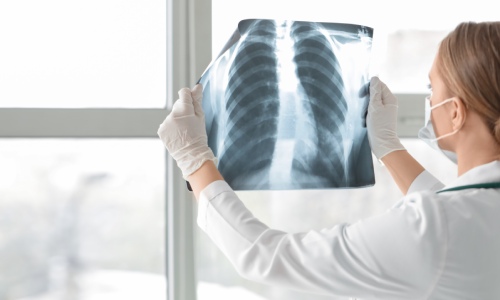
Other lung diseases such as chronic obstructive pulmonary disease (COPD) and interstitial lung disease (ILD) can also increase the risk of lung cancer.
Chronic Obstructive Pulmonary Disease (COPD)
COPD is a chronic disease in which the airways and alveoli (lung tissue responsible for gas exchange) become swollen and inflamed, eventually resulting in permanent lung damage.
The majority of COPD patients are heavy smokers. COPD patients have a higher risk of lung cancer than people who do not have the disease.
Interstitial Lung Disease (ILD)
Interstitial lung disease is a type of lung disease that affects the interstitium, or connective tissue, in the lungs.
Many factors can contribute to this disease, including infection, autoimmune disease and exposure to toxic chemicals.
Patients with interstitial lung disease have a higher risk of developing lung cancer than those who do not have the disease.
8. Other Infections
Other infections, such as tuberculosis (TB), can also raise one’s risk of developing lung cancer. TB is a bacterial infection that attacks and damages the lungs.
This damage may increase the risk of developing lung cancer. Additionally, certain viruses can increase the risk of lung cancer:
- Human Papillomavirus (HPV) Infection
- Epstein-Barr Virus Infection
- HIV Infection
9. Family Health History
A family history of lung cancer can also increase your chances of getting it. A person’s risk of developing lung cancer is increased if they have a family member who has the disease.
10. Age
Age is another risk factor. Lung cancer is most common in people over the age of 50. However, the prevalence of lung cancer among young people is rising.
Can Passive Smokers Be at Risk for Lung Cancer?

Individuals who are exposed to cigarette smoke produced by active smokers are considered passive smokers. They are still exposed to harmful chemicals in cigarette smoke, such as tar, carbon monoxide, and other chemicals that can cause lung cancer, even though they do not smoke.
Lung Cancer Risk
Passive smokers have a 30% to 40% higher risk of lung cancer than those who are not exposed to cigarette smoke at all, according to the Malaysian Ministry of Health.
This risk is determined by the level of ventilation and the duration of cigarette smoke exposure. The greater the duration and frequency of exposure, the greater the risk of developing lung cancer.
Other Risks
Passive smokers are at risk for a variety of diseases, including lung cancer, heart disease, stroke, and other cancers such as cervical and pancreatic cancer.
As a result, it is critical to limit your exposure to cigarette smoke, either by avoiding smoking areas or by ensuring that the areas you visit are smoke-free. This will help you and others avoid the health risks associated with cigarette smoking.
Does ‘Vape’ Cause Cancer?

Vaping, or the use of e-cigarettes, is a hotly debated topic among medical experts and the general public. With the growing popularity of vaping, there are concerns about the long-term health effects of vaping, including its link to lung cancer.
Although much research is still being conducted on the health effects of vaping, preliminary evidence suggests that vaping may not be safe and may increase the risk of lung disease, including lung cancer.
Ingredients
Chemicals found in vaping, particularly nicotine, formaldehyde and acrolein, can clog the respiratory tract and damage lung cells.
Furthermore, the chemicals used in vaping can increase the risk of lung cancer and worsen the condition of those who already have it.
Reduce Your Risks
Vaping may not be the only major cause of lung cancer, but you should be aware that it can raise your risk of lung cancer and other health complications.
It is preferable to consult a doctor or a health professional for advice and support in dealing with your cigarette or vape addiction, as well as to reduce your risk of lung disease or other health complications.
Raise Awareness and Address Lung Cancer
It is critical to understand the causes of lung cancer in order to live a healthy lifestyle and take the necessary precautions to reduce the risk of this disease. By leading a healthy lifestyle and avoiding potential risk factors that may harm our lungs, we can all support the fight against lung cancer.