

Dengue Vaccine
Dengue fever can be either regular dengue fever or dengue hemorrhagic fever, which can be fatal. The development of dengue vaccines has been a lengthy and complex process, driven by the need to mitigate the widespread impact of dengue disease. DENGVAXIA, developed by Sanofi Pasteur, was the first dengue vaccine to be licensed but doesn’t get approval for its usage in Malaysia. QDENGA, developed by Takeda Pharmaceuticals, represents a newer entry into the market. Its development began in the early 2000s, with significant milestones achieved through rigorous clinical trials and approval for its use from KKM Malaysia.
Efficacy and Safety
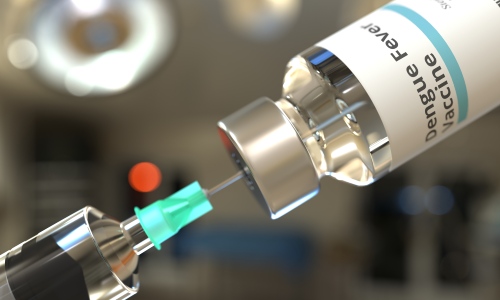
- QDENGA (TAK-003) is a tetravalent dengue vaccine designed to protect against all four dengue virus serotypes. This vaccine aims to provide broad protection and has undergone extensive clinical testing to ensure its efficacy and safety.
- DENGVAXIA (CYD-TDV), also a tetravalent vaccine, utilizes a chimeric yellow fever virus backbone to elicit an immune response against all four dengue virus serotypes. Based on previous side effects reported, the vaccine has yet to receive a license in malaysia.
Clinical Trial Results: Efficacy Rates in Different Age Groups, Regions, and Dengue Virus Serotypes
- QDENGA: The clinical efficacy of QDENGA has been demonstrated through Phase 3 trials, which included diverse populations from Asia and Latin America. These trials revealed an overall efficacy of approximately 80.9% in preventing symptomatic dengue. The efficacy varied across different age groups, with younger individuals showing a marginally higher response rate. Additionally, QDENGA exhibited robust protection against severe dengue and hospitalization, key metrics in evaluating vaccine success.
- DENGVAXIA: Its efficacy, as observed in its Phase 3 clinical trials, was approximately 60% overall but showed significant differences based on the recipient’s prior exposure to the virus. This finding has influenced public health policies, limiting the vaccine’s use to those with confirmed prior dengue exposure.
QDENGA Approved Countries
QDENGA has received approval in several countries, primarily in regions where dengue is endemic. Countries in Southeast Asia, Latin America, and some parts of the Caribbean have adopted the vaccine as part of their dengue prevention programs. The approval process considers the local epidemiology of dengue, existing healthcare infrastructure, and the potential public health impact.
Effectiveness in Various Demographic Groups: Children, Adults
The effectiveness of QDENGA and DENGVAXIA varies across different demographic groups. QDENGA has been shown to be effective in both children and adults, offering a broad age range from 4 years old and above for its use. This is particularly important in regions where dengue affects all age groups. In contrast, DENGVAXIA is limited to a narrower age range due to safety concerns in seronegative individuals, with its use primarily focused on those aged 9 to 45 years who have a history of prior dengue infection confirmed by laboratory testing for previous dengue virus infection.
Consideration of Taking Dengue Vaccines After Previous Dengue Infection
When considering dengue vaccination for infectious diseases, several factors must be weighed. For individuals in dengue-endemic areas, the risk of contracting dengue and the potential severity of the disease make vaccination an important preventive measure. Qdenga is a better choice for dengue prevention. Additionally, only Qdenga dengue vaccine has been approved by the Ministry of Health (MOH) for use in controlling the spread of the dengue virus. Public health officials must also consider vaccine availability, cost, and the infrastructure needed to support widespread vaccination campaigns.