Prevention Of Organ Rejection In Transplant Patients


Overview of Prevention Of Organ Rejection In Transplant Patients
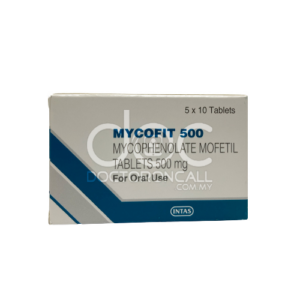
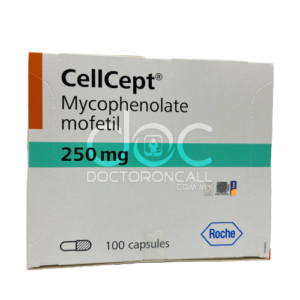
Organ rejection is a common problem among organ recipients. Patients might go through an episode of sudden rejection or chronic rejection within weeks or months or years after a transplant. Rejection takes place when the immune system detects the transplanted organ as a foreign body attacks it. Organ rejection is preventable to a certain degree with the help of immunosuppressants. They are also known as anti-rejection medication. There are many types of immunosuppressants such as cyclosporine, prednisone, and azathioprine. Immunosuppressants function by suppressing the immune system and reduce its ability to reject the organ. They should be taken properly according to the doctor’s advice. Even if patients miss only one dose of immunosuppressants, they are at risk of organ rejection. If patients experiencing organ rejection, doctors will switch from one type of medication to the other type, increase the dose or add another medication.
Treatment and Prevention of Prevention Of Organ Rejection In Transplant Patients
Consume immunosuppressants or anti-rejection medications according to doctor’s advices, Change the type of medication, increase the dose or add another medication in the case of organ rejection