Anemia


Overview of Anemia
Anemia is defined as a low hemoglobin (Hb) concentration. Hemoglobin is a protien in our red cells that carry oxygen. Low hemoglobin means less capacity to carry oxygen. The normal range of Hb is 13.5-15.5g/dL in men and 11.5-13.5g/dL in women. Any count below the range is anemia.
Signs and Symptoms of Anemia
Tiredness, Dizziness, Palpitations, Headache, Shortness of breath, Confusion, Poor concentration, Pallor of conjunctiva, Raised jugular venous pressure, Tachycardia, Postural hypotension, Angina
Common Causes of Anemia
Acute blood loss due to trauma, Nutritional deficiency such as iron, folate and Vitamin B12, Bone marrow failure syndrome, Hereditary disease, Autoimmune disease such as Systemic Lupus Erythematosus, Hypersplenism, Infection such as malaria, Sepsis, Gastrointestinal bleeding, Chronic hematuria
Risk Factors of Anemia
Diet lacking of vitamin B12, folate and iron, Pregnancy, Age, Family history, Chronic diseases such as kidney failure, Intestinal disorders, Presence of autoimmune disease, Post chemotherapy or radiotherapy
Investigation Techniques for Anemia
Full blood count, Differential white count, Peripheral blood film, Electrophoresis, Serum iron level, Total iron binding capacity (TIBC), Clotting factors, Bone marrow test
Treatment and Prevention of Anemia
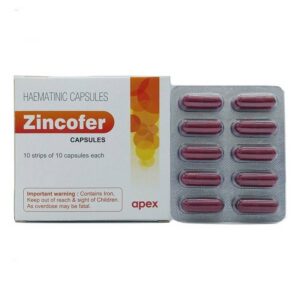
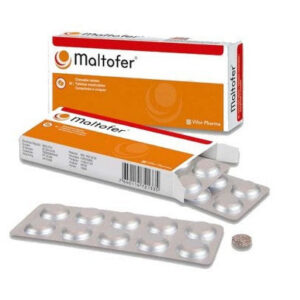
Blood transfusion, Folic acid supplements, Iron supplements, Vitamin supplements, Splenectomy, Bone marrow transplantation