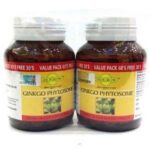
BioGrow Ginkgo Phytosome Tablet
- 100% Genuine
- Muslim-Friendly
- Trusted by Thousands
- 0% InterestNo interest on eligible instalments
- Flexible paymentsSpread your payment across monthly instalments
- No hidden feesClear and transparent pricing
This item is secured upon order.
Expected arrival dates based on your shipping choice:
- Standard Delivery: Arrives approx. 7 Nov 2026
Currently Out of Stock No Longer Available


Last updated:
Overview
BioGrow Ginkgo Phytosome Tablet is a herbal supplement from BioGrow that contains Ginkgo biloba leaf extract in a phytosome form, supplied as an oral tablet. In a phytosome, the ginkgo extract is bound to phosphatidylcholine, a phospholipid typically derived from soy lecithin, creating an extract–phospholipid complex.
Phytosome formulations were developed to improve how well plant compounds are absorbed compared with the plain extract. The ginkgo extract used in such complexes is standardised for its characteristic compounds, ginkgo flavone glycosides and terpene lactones (ginkgolides and bilobalide). The exact amount of ginkgo phytosome and the standardisation values per tablet are printed on the product label.
Because the phospholipid is commonly sourced from soy, people with a soy allergy should check the label before use. Like other ginkgo products, it may increase the risk of bleeding, can interact with blood-thinning and some other medicines, and is not suitable during pregnancy, so speak to a doctor or pharmacist first if you take regular medicines.
Directions for Use
Swallow the tablet whole with a glass of water. Taking it with or after a meal may help minimise stomach discomfort.
Follow the serving and frequency shown on the BioGrow product label, or as advised by your doctor or pharmacist, and do not exceed the recommended daily amount.
Dosage
Adults: take as directed on the product label. Do not exceed the recommended daily serving.
Not recommended for children and adolescents under 18 years. Phytosome products are labelled by the weight of the extract–phospholipid complex, so the milligram figure is not directly comparable with standard ginkgo extracts; ask a pharmacist before switching or combining ginkgo products.
Storage Instructions
- Store BioGrow Ginkgo Phytosome Tablet in a cool, dry place below 30°C, away from direct sunlight, heat and moisture. Keep the container tightly closed after each use and keep the tablets in their original packaging.
- Keep out of the reach and sight of children. Do not store in the bathroom or in a hot car, as humidity and heat may affect product quality. Follow any additional storage directions on the product label.
Side Effects
- Common: Headache, which is the most frequently reported side effect of ginkgo leaf extract.
- Common: Dizziness, or digestive discomfort such as nausea, diarrhoea, abdominal pain or constipation.
- Less common: Palpitations or allergic skin reactions such as rash, redness or itching.
- Serious: Unusual bleeding or bruising, such as nosebleeds, bleeding gums, blood in the urine or stools, or bleeding in the eye; bleeding events have been reported with ginkgo extract, especially together with blood-thinning medicines. Stop taking it and seek medical attention.
- Serious: Seizures (fits), which have been reported rarely, particularly in people with epilepsy or a history of seizures. Stop taking it and seek urgent medical care.
- Serious: Signs of a severe allergic reaction, such as swelling of the face, lips or throat, or difficulty breathing. Stop taking it and seek emergency medical help.
Contraindications
- Known allergy or hypersensitivity to Ginkgo biloba or to any other ingredient in BioGrow Ginkgo Phytosome Tablet.
- Known allergy to soy or soy lecithin, unless the product label confirms the phosphatidylcholine is not soy-derived.
- Pregnancy: ginkgo taken by mouth may be unsafe during pregnancy and, used near delivery, may increase the risk of bleeding; do not use while pregnant.
- Children and adolescents under 18 years of age, as safety and appropriate use have not been established in this age group.
- People with a bleeding disorder or an increased tendency to bleed, unless specifically advised by a doctor.
- Before planned surgery or dental procedures: stop taking ginkgo several days beforehand (generally at least 3–4 days, or as instructed by your surgeon or dentist) because of the possible bleeding risk.
Drug / Food Interactions
- Anticoagulants (blood thinners) such as warfarin, apixaban, rivaroxaban or dabigatran: ginkgo may increase the risk of bleeding; do not combine without your doctor’s advice.
- Antiplatelet medicines such as aspirin, clopidogrel or ticagrelor: the combined effect on bleeding may be increased.
- Non-steroidal anti-inflammatory drugs (NSAIDs) such as ibuprofen, naproxen, mefenamic acid or diclofenac: may add to the bleeding risk, especially with regular use.
- Efavirenz (an HIV medicine): ginkgo may lower efavirenz blood levels and reduce its effectiveness; avoid the combination unless your doctor approves.
- Medicines for epilepsy and medicines that lower the seizure threshold: ginkgo has been linked rarely to seizures, so speak to your doctor first if you take antiepileptic medicines.
- Other supplements that may affect bleeding, such as other ginkgo products, high-dose fish oil, garlic or vitamin E: avoid doubling up and tell your pharmacist about all supplements you take.
- Food: no clinically significant food interactions are well established; taking BioGrow Ginkgo Phytosome Tablet with or after a meal may help reduce stomach upset.
Quick Tips
- Check the ingredient list for soy if you have a soy allergy, as phytosome complexes commonly use soy lecithin.
- Take it with or after a meal and water to help reduce stomach discomfort.
- Tell your doctor, dentist and pharmacist that you take ginkgo, especially before any surgery, dental work or new medicine.
- Avoid taking more than one ginkgo-containing product at the same time; check the labels of multivitamins and herbal blends for ginkgo.
- Watch for unusual bruising or bleeding and stop taking it if this happens.
- Do not use during pregnancy, and ask a doctor first if you are breastfeeding.
Ingredients / Active Ingredients
- Active ingredient: Ginkgo biloba leaf extract phytosome (standardised for flavone glycosides and terpene lactones)
- Phosphatidylcholine (from soy lecithin) forming the phytosome complex
- Key ingredient: Ginkgo biloba leaf extract complexed with phosphatidylcholine (ginkgo phytosome)
- Standardisation: ginkgo flavone glycosides and terpene lactones; refer to the product label for amounts per tablet
- Phospholipid source: phosphatidylcholine, commonly from soy lecithin
- Dosage form: oral tablet; refer to the product label for serving size and pack size
Related Health Conditions
Safety Advice
Pregnancy
Use during pregnancy is generally not recommended unless absolutely necessary.
Breastfeeding
This medicine is safe to use while breastfeeding.
Kidney
Use cautiously. Dose adjustment or monitoring may be required.
Liver
Use cautiously. Liver function monitoring may be required.
Alcohol
Caution is advised when consuming alcohol with this medicine.
Driving
Use caution while driving until you know how this medicine affects you.
Relevant Information
Precautions: BioGrow Ginkgo Phytosome Tablet is a ginkgo leaf supplement and is not a substitute for a varied, balanced diet or for medicines prescribed by your doctor. Ginkgo may increase the risk of bleeding, so take extra care if you have a bleeding tendency, take blood-thinning or antiplatelet medicines or regular painkillers such as NSAIDs, or have surgery or dental work planned. People with epilepsy or a history of seizures, and people taking efavirenz, should only use ginkgo after speaking to their doctor. It should not be used during pregnancy, and there is limited safety information for breastfeeding, so seek advice first. Use with care if you have liver or kidney disease. Only use the finished product as supplied; raw or roasted ginkgo seeds and unprocessed leaves can contain harmful substances and are not equivalent to this product. If you have a soy allergy, check the ingredient list carefully, as phytosome complexes commonly use soy-derived phosphatidylcholine.
When to See a Doctor or Pharmacist: Speak to a doctor or pharmacist before starting if you take any regular medicines, have a medical condition, are breastfeeding or are aged 65 and above. Stop taking it and seek medical attention promptly if you notice unusual bleeding or bruising, black or bloody stools, a sudden severe headache, a seizure, or signs of an allergic reaction. If you are taking ginkgo because of ongoing forgetfulness, confusion or changes in thinking, see a doctor, as these symptoms need proper medical assessment.
Frequently Asked Questions
A phytosome is a complex in which a plant extract, here Ginkgo biloba leaf extract, is bound to phosphatidylcholine, a phospholipid usually derived from soy lecithin. This form was developed to improve absorption of the plant compounds compared with the plain extract.
Phosphatidylcholine in phytosome complexes is commonly derived from soy lecithin, so this product may contain soy. If you have a soy allergy, check the ingredient list on the pack or ask a pharmacist before use.
Ginkgo may increase the risk of bleeding when taken with anticoagulants such as warfarin, antiplatelet medicines such as aspirin or clopidogrel, or NSAID painkillers such as ibuprofen. Do not combine them unless your doctor has specifically advised it, and tell your doctor or pharmacist that you take ginkgo.
Yes. Because ginkgo may affect bleeding, it is generally recommended to stop taking it several days (at least 3–4 days) before planned surgery or dental procedures. Always tell your surgeon, dentist or anaesthetist about all supplements you take and follow their specific instructions.
Ginkgo taken by mouth may be unsafe during pregnancy, so it should not be used while pregnant. There is limited safety information for breastfeeding, so consult a doctor first, and it is not recommended for children and adolescents under 18 years old.
Taking extra tablets may increase the chance of side effects such as headache, dizziness or stomach upset, and may add to the bleeding risk. Return to the usual serving the next day, and contact a doctor, pharmacist or the nearest emergency department if a large amount was taken, a child swallowed the product, or you notice unusual bleeding or other worrying symptoms.
Yes. Products sold on DoctorOnCall are supplied through DoctorOnCall’s licensed pharmacy supply channels. If you have any concerns about a product you received, such as damaged packaging or an unclear expiry date, please contact DoctorOnCall Customer Service.
We accept payment via Online Banking, Credit Card, and e-Wallets (Boost, GrabPay). Available payment options are shown at checkout, and DoctorOnCall Customer Service can help if you have trouble completing your payment.
Instalment options may be available at checkout from time to time, depending on the order and the payment method you choose. For the latest instalment terms and eligibility, please contact DoctorOnCall Customer Service before placing your order.
Delivery within Malaysia is expected to take 3–5 working days, while delivery to Singapore is expected to take 5–9 working days; actual timing may vary with location and order volume. Singapore customers should first check availability of BioGrow Ginkgo Phytosome Tablet on doctoroncall.com/sg or with DoctorOnCall Customer Service, as not every Malaysian product is sold in Singapore.
The delivery fee may vary depending on your delivery location and order, and the applicable amount is shown at checkout before you pay. For further details, please contact DoctorOnCall Customer Service.
Cancellations and returns are handled according to DoctorOnCall’s return and refund policy. Please contact DoctorOnCall Customer Service as soon as possible with your order details so the team can advise you on the options available for your order.
Product Specifications
| Classification | Non-prescription |
|---|---|
| Ingredients / Active Ingredients | Ginkgo Biloba |
| Pack Size | 90s x2 |
| Shelf Life | Refer to the expiry date printed on the BioGrow Ginkgo Phytosome Tablet packaging. Do not take the tablets after the expiry date has passed, and check the pack before each purchase or use. |
Have questions before you buy?
- Which mg is right for me?
- How do I store it?
- What are the sideeffects?
- What if I miss a dose?
- Delivery timings?
Support hours: Mon-Fri, 9AM-6PM (MYT)