Alzheimer’s Disease


Overview of Alzheimer’s Disease
Alzheimer’s disease is a chronic disorder that causes brain cells to degenerate and eventually die. It affects the patient’s behaviour, social skills, ability to think and ability to perform activities of daily living independently.
Signs and Symptoms of Alzheimer’s Disease
Memory loss, Difficulty thinking and concentrating, Decline in ability to make judgements and decisions in everyday situations, Forgetting how to perform simple tasks like bathing and dressing, Changes in behaviour and personality such as delusions and mood swings
Common Causes of Alzheimer’s Disease
Amyloid protein plaques in the brain can be toxic and disrupts the work of neurons, Tau proteins change shape and form tangles that have toxic effects in neurons and affect neuronal function
Risk Factors of Alzheimer’s Disease
Increasing age, Women are more likely to develop Alzheimer’s disease, Family history of Alzheimer’s disease, Previous head injury, Down syndrome, Cognitive impairment, Poor sleeping habits, High blood pressure, High cholesterol, Diabetes, Obesity, Lack of physical activity, Unhealthy diet, Smoking, Low education level
Investigation Techniques for Alzheimer’s Disease
Physical and neurological examination, Mini mental state examination, Blood tests to rule out potential causes of memory problems, Computerised tomography (CT) scan of the brain, Magnetic resonance imaging (MRI) of the brain, Flurodeoxyglucose (FDG) positron emission tomography (PET) scan, Amyloid PET imaging, Tau PET imaging
Treatment and Prevention of Alzheimer’s Disease
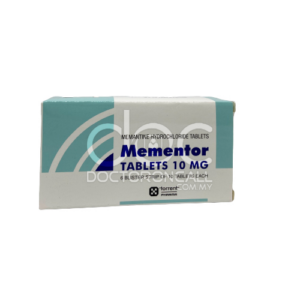
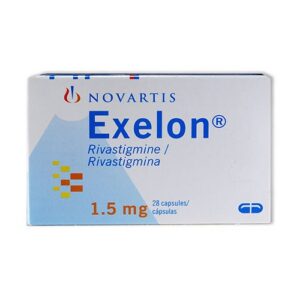
Lifestyle changes, Medications such as cholinesterase inhibitors and memantine, Supplements like omega-3 fatty acids and gingko, Creating a living environment that fulfills the needs of an Alzheimer’s patient such as installing handrails in bathrooms and using calendar to track daily schedules