Ulcerative Colitis


Overview of Ulcerative Colitis
Ulcerative colitis is a relapsing and remitting inflammatory disorder of the colonic mucosa. It may affect just the rectum or extend to involve part of the colon or entire colon. It never spreads proximal to the ileocaecal valve.
Signs and Symptoms of Ulcerative Colitis
Diarrhea often with blood or pus, Abdominal pain and cramping, Tenesmus, Rectal bleeding, Mucus discharge, Urgency to defecate, Weight loss, Malaise, Loss of appetite, Fever, Anemia, Extracolonic manifestations-clubbing, aphthous oral ulcer, erythema nodosum, conjunctivitis
Common Causes of Ulcerative Colitis
Inappropriate immune response against colonic flora in genetically susceptible individuals
Risk Factors of Ulcerative Colitis
Immune system malfunction, Heredity: First degree relative who is having this disease, Age: can occur at any age but usually before the age of 30 years, Ethnicity: Asians are lower risk. Ashkenazi Jewish has higher risk
Investigation Techniques for Ulcerative Colitis
Full blood count, Stool sample, Colonoscopy, Flexible sigmoidoscopy, Erected chest X-ray – rule out perforation, Abdominal X-ray, Computed tomography(CT) abdomen
Treatment and Prevention of Ulcerative Colitis
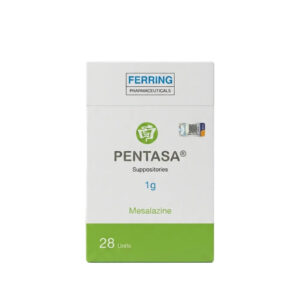
5-aminosalicylic acid, Corticosteroids, Azathioprine and cyclosporin: can be used to maintain remission and as steroid-sparing agent, Monoclonal antibodies: infliximab and adalimumab, Antibiotics: to prevent and control infection, Anti-diarrheal medicine: loperamide is helpful but should be taken with caution as it can cause toxic megacolon, Iron supplements: to support iron deficiency anemia, Surgical therapy: subtotal colectomy and end ileostomy, proctocolectomy and permanent ileostomy, Restorative proctocolectomy with ileoanal pouch, Subtotal colectomy and ileorectal anastomosis