Meniere’s Disease


Overview of Meniere’s Disease
Meniere’s disease is a condition affecting the inner ear. It commonly affects the young and middle-aged group. It can be categorised as a chronic condition however with medication and proper treatments, the symptoms can be relieved with a good prognosis.
Signs and Symptoms of Meniere’s Disease
Hearing loss, Vertigo, Anxiety, Blurry vision, Nausea or diarrhea, Trembling, Cold sweat, and rapid pulse
Common Causes of Meniere’s Disease
Increased pressure in the inner ear which is full of a fluid known as endolymph
Risk Factors of Meniere’s Disease
Head injury, Infection to the inner or middle ear, Allergies, Alcohol use, Stress, Side effects of certain medications, Smoking, Stress or Anxiety, Fatigue, Family history of the disease, Respiratory infection, Recent viral illness, Abnormal immune response, Migraines
Investigation Techniques for Meniere’s Disease
Clinical evaluation, Audiogram, Gadolinium-enhanced MRI, Hearing assessment, Balance assessment, Vestibular-evoked myogenic potentials (VEMP) testing., Rotary-chair testing, Videonystagmography (VNG).,Electrocochleography (ECoG), Video head impulse test (vHIT)
Treatment and Prevention of Meniere’s Disease
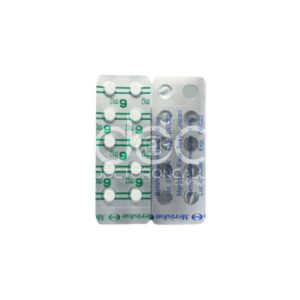
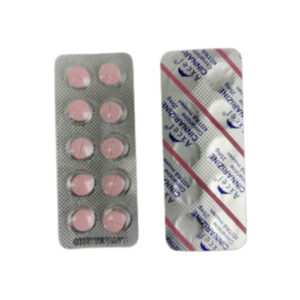
Antiemetics, Antihistamines, Benzodiazepines, Diuretics, Low-salt diet, Rarely vestibular ablation by drugs or surgery