Systemic Lupus Erythematosus (SLE)


Overview of Systemic Lupus Erythematosus (SLE)
Systemic Lupus Erythematosus is also known as lupus, is a form of chronic autoimmune disease. Autoantibodies are made agianst a variety of autoantigens (eg ANA) which form immune complexes. Inadequate clearance of immune complexes results in tissue inflammation dan damage. Women is at higher risk to develop SLE and can cause various complications due to its multi-systemic involvement.
Signs and Symptoms of Systemic Lupus Erythematosus (SLE)
Severe fatigue, Fever, Joint pain, Joint swelling, Headaches, Rash on the cheeks and nose which is called a “butterfly rashâ€Â, Hair loss, Anemia, Blood-clotting problems, Hematuria,
Common Causes of Systemic Lupus Erythematosus (SLE)
Genetic susceptibility and environmental stimuli (drugs, UV rays, infection) gives rise to autoimmune hyperresponsiveness
Risk Factors of Systemic Lupus Erythematosus (SLE)
Women , Ages of 15 and 44 , Race/ethnicity, Exposure to estrogen- containing OCP and hormone replacement therapy, Photosensitivity issues, Exposure to silica dust, Cigarette smoking, Low birth weight, Preterm infant
Investigation Techniques for Systemic Lupus Erythematosus (SLE)
Antinuclear antibody (ANA), Full blood count, Chest x-ray, Serum creatinine, Urinalysis, Complement components (C3 and C4), Antibodies to double-stranded DNA, Rheumatoid factor, ESR and CRP, Antiphospholipid antibodies, Lupus anticoagulant test, Liver function test
Treatment and Prevention of Systemic Lupus Erythematosus (SLE)
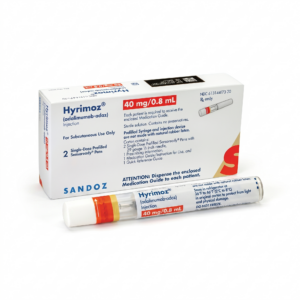
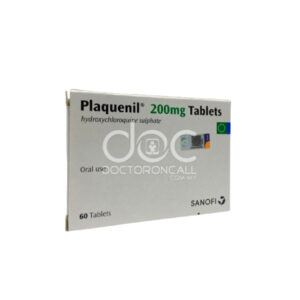
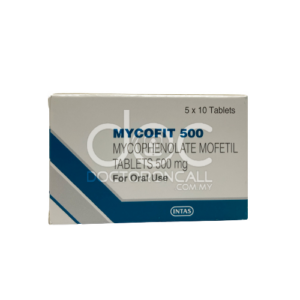
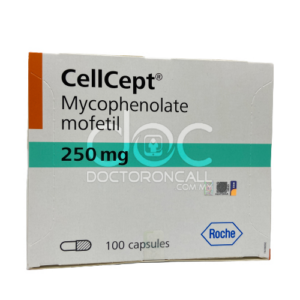
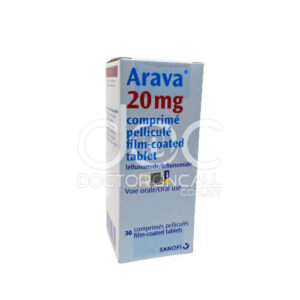
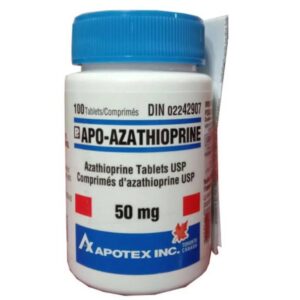
Anti-inflammatory medications (NSAIDs), Analgesic, Corticosteroids (Prednisolone), Disease modifying drugs (Hydroxychloroquine, methotrexate), Immunosuppressive medicines (azathioprine cyclosporine, MMF), Warfarin