Hypertensive Emergency


Overview of Hypertensive Emergency
Hypertensive emergency is defined as severe elevation of blood pressure (180/110 mmHg) associated with newly existing or progressive end organ damages or complications such as acute heart failure, dissecting aneurysm, acute renal failure, acute coronary syndromes, hypertensive encephalopathy, subarachnoid haemorrhage and/or intracranial haemorrhage
Signs and Symptoms of Hypertensive Emergency
Chest pain, Changes in mental status such as confusion, Difficulty breathing or breathlessness, Systolic blood pressure >180mmHg and diastolic blood pressure >110mmHg, Seizures, Headache, Blurring of vision, Swelling or edema
Common Causes of Hypertensive Emergency
Underlying hypertensive disease, Stroke, Heart failure, Kidney failure, Severe preeclampsia in pregnant women, Defaulted anti-hypertensive treatment or not taking medications constantly
Risk Factors of Hypertensive Emergency
Underlying hypertension, Underlying hypertensive diseases, Age, Hypertension during pregnancy
Investigation Techniques for Hypertensive Emergency
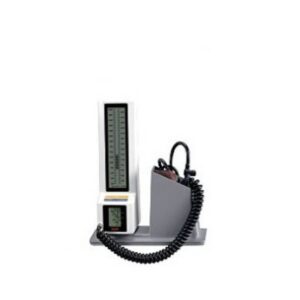
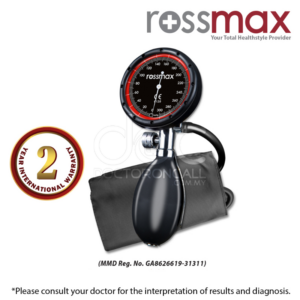
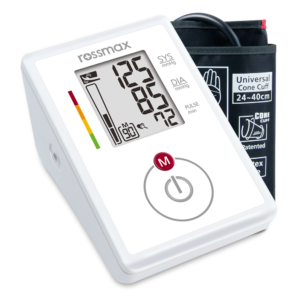
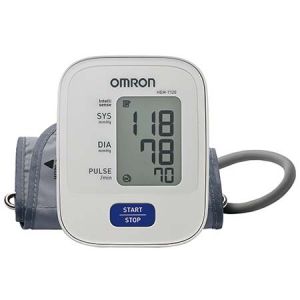
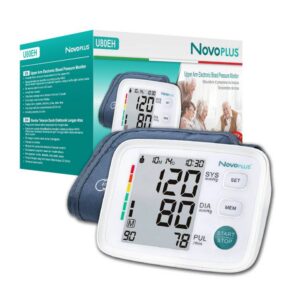
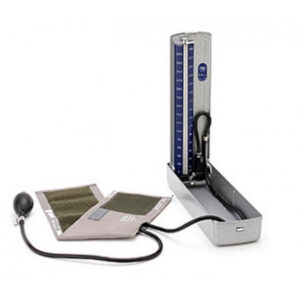
Monitor blood pressure regularly, Full blood count, Urine analysis, Urine FEME, Eye examination, Renal function test
Treatment and Prevention of Hypertensive Emergency
Admit patient for immediate intervention and monitoring, Reduce BP rapidly but only reduced by 10%-25% within certain minutes to hours however not lower than 160/90 mmHg