Pulmonary Embolism


Overview of Pulmonary Embolism
Pulmonary embolism is a condition where the emboli travels to the arteries in the lung and lodged in it causing block in blood flow. Usually the emboli originates from the deep venous system of the lower limbs.
Signs and Symptoms of Pulmonary Embolism
Shortness of breath , Chest pain , Cough , Leg pain or swelling , Clammy or discolored skin (cyanosis) , Fever , Excessive sweating , Rapid or irregular heartbeat , Lightheadedness or dizziness
Common Causes of Pulmonary Embolism
Endothelial injury , Stasis or turbulence of blood flow , Blood hypercoagulability
Risk Factors of Pulmonary Embolism
Surgery , Prolonged immobility , Smoking , Heart disease , Being overweight , Supplemental estrogen , Pregnancy
Investigation Techniques for Pulmonary Embolism
Blood tests (D- dimer) , Chest X-ray , Compression ultrasonography , Pulmonary angiogram , MRI
Treatment and Prevention of Pulmonary Embolism
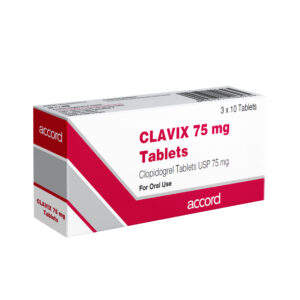
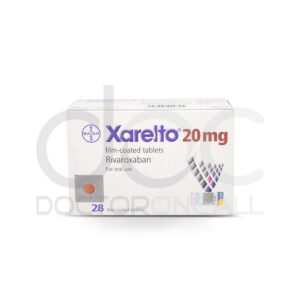
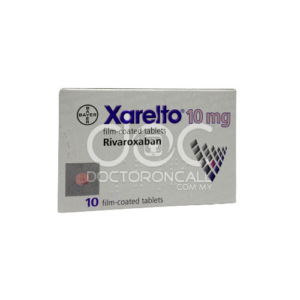
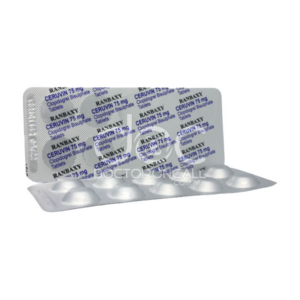
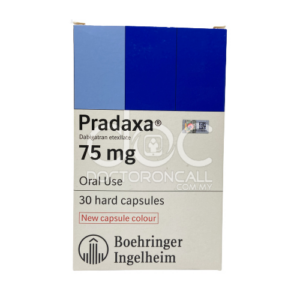
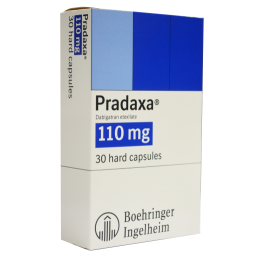
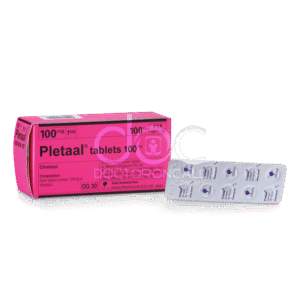
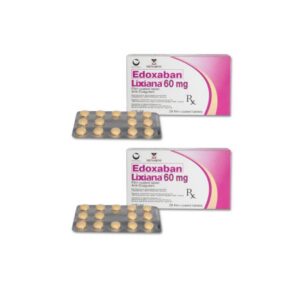
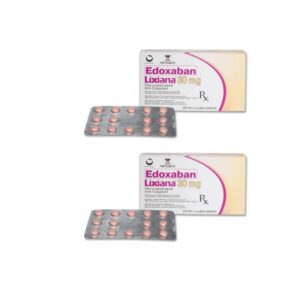
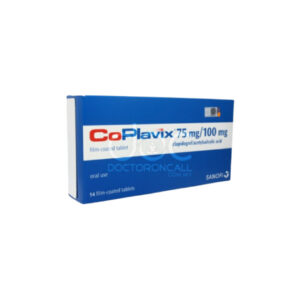
Blood thinners (anticoagulants), Clot dissolvers (thrombolytics), Embolectomy, Vena Cava Filters, Supportive Care (Compression stockings)