Constipation


Overview of Constipation
Constipation is defined as infrequent bowel movements or difficult passage of stools, where people have less than 3 bowel movements per week. This is a very common problem and cause a lot of discomfort.
Signs and Symptoms of Constipation
Hard and small stools, Less than 3 bowel movements per week, Having to strain to pass stools, A feeling of unsatisfied emptying of the bowel, A feeling as if there is a blockage in the rectum preventing bowel motions
Common Causes of Constipation
Bowel obstruction, Bowel stricture, Anal fissure , Colon or rectal cancer, Spinal cord injury, Stroke, Autonomic neuropathy, Parkinson’s disease, Weakened pelvic muscles, Hypothyroidism, Pregnancy, Use of certain medications such as sedatives and opioid pain medications
Risk Factors of Constipation
Increasing age, Poor diet with low fibre intake, Insufficient fluid intake, Lack of physical activity, Use of certain medications such as sedatives and opioid pain medications
Investigation Techniques for Constipation
Physical examination, Digital rectal examination, Blood tests to check thyroid hormones and calcium levels, X-ray of the abdomen, Sigmoidoscopy, Colonoscopy, Anorectal manimetry to examine the function of anal sphincter muscle, Colonic transit study to see how well the food moves through colon, Balloon expulsion test to evaluate speed of anal sphincter muscle, Defecography (x-ray of rectum during defecation), Magnetic resonance imaging (MRI) defecography
Treatment and Prevention of Constipation
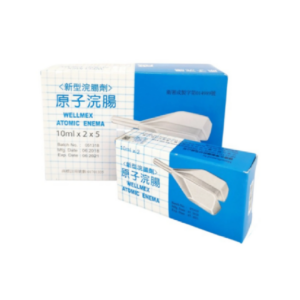
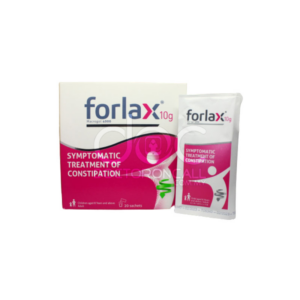
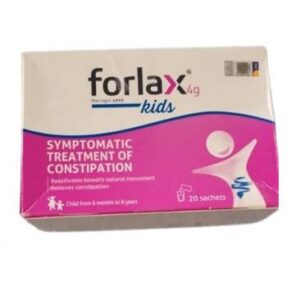
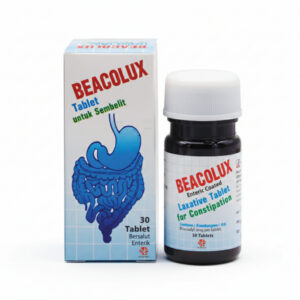
Increase fibre and fluid intake, Regular exercises, Do not neglect the habit of attending the toilet, Laxatives such as fibre supplements, stimulants, osmotics, lubricants, stool softeners, enemas and suppositories, Treat underlying medical conditions