Peptic Ulcer Disease


Overview of Peptic Ulcer Disease
Peptic ulcer disease involves a different part of the stomach and the duodenum. It is the discontinuity of the mucosal surface caused by local inflammation, decreased protective mucosal layer or increased stomach acidity which leads to ulcers.
Signs and Symptoms of Peptic Ulcer Disease
Nausea, Vomiting, Abdominal bloating, Central abdominal pain, Pain that radiates to the back (duodenal), Pain that is relieved by food (duodenal), Pain that occurs early hours in the morning (duodenal), Pain precipitated by food (gastric), Weight loss, Bloody vomitus, Abnormal black stool
Common Causes of Peptic Ulcer Disease
Helicobacter pylori infection, Drugs (NSAIDS, clopidogrel and glucocorticoids), Smoking, Alcohol misuse, Excessive caffeine intake, Poor diet, Spicy food, Psychological stress, Anxiety, Chemotherapy, Hormonal, Oral contraceptive pills
Risk Factors of Peptic Ulcer Disease
Increasing age, Female, Chronic use of NSAIDS, Pregnancy
Investigation Techniques for Peptic Ulcer Disease
Oesophagogastroduodenoscopy (OGDS), CLO test (biopsy urease test), Barium meal, Urease breath test, CO2 breath test, Stool antigen testing, Serology, Fasting serum gastrin levels, Erect plain chest X-ray, Serum amylase levels ( To exclude pancreatitis), Serum lipase, Liver transaminase levels, Full blood test
Treatment and Prevention of Peptic Ulcer Disease
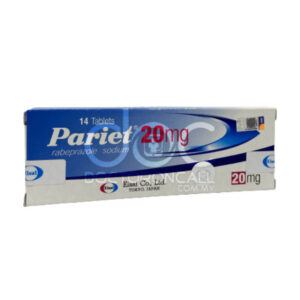
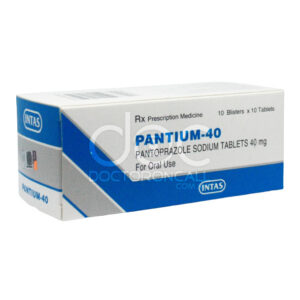
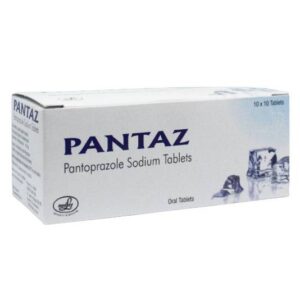
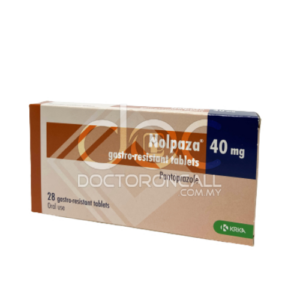
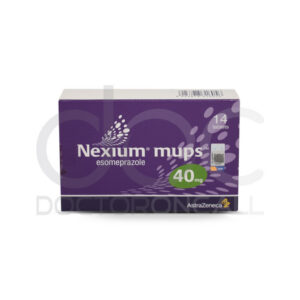
Control of predisposing factor using triple therapy. Triple therapy consist of 1-2 weeks of 2 antibiotics (amoxicillin 1g BD and clarithromycin 500mg BD) with proton pump inhibitor, Diminish irritant effects of acid-pepsin using antacid or alginate preparation, Mucosal protective agents using sucralfate, Reduction of acid secretion using proton pump inhibitor or H2 blocking drugs.