Severe Allergic Reactions


Overview of Severe Allergic Reactions
Severe Allergic reactions or Anaphylaxis is a potentially life-threatening, systemic allergic reaction caused by the release of histamine and other vasoactive mediators from mast cells. The risk of death is increased in patients with pre existing asthma, particularly if this is poorly controlled and in individuals in whom treatment with adrenaline is delayed.
Signs and Symptoms of Severe Allergic Reactions
Conjunctival injection, Flushing, Sweating, Stridor, Cardiac arrhythmias, Abdominal pain, Diarrhoea, Wheeze, Hypotension, Urticaria
Common Causes of Severe Allergic Reactions
IgE mediated mast cell degranulation Triggers: peanuts, nuts, fish, shellfish, antibiotics, aspirin, intravenous (IV) contrast, stings from bees, yellow jackets, wasps, hornets and fire ants
Risk Factors of Severe Allergic Reactions
Previous anaphylaxis, Allergies or asthma
Investigation Techniques for Severe Allergic Reactions
Skin prick test, Serum mast cell tryptase concentrations
Treatment and Prevention of Severe Allergic Reactions
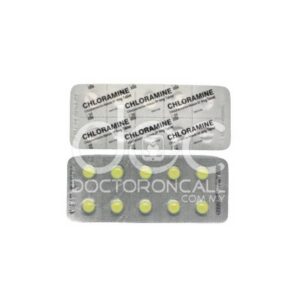
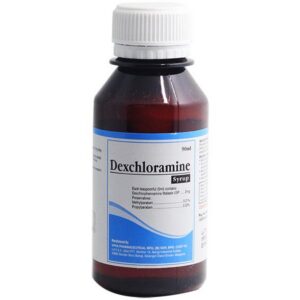
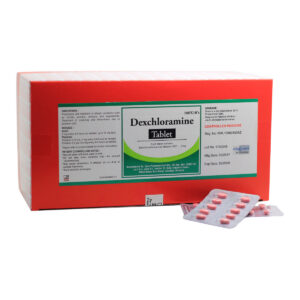
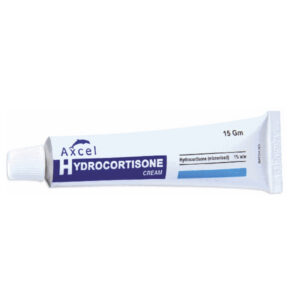
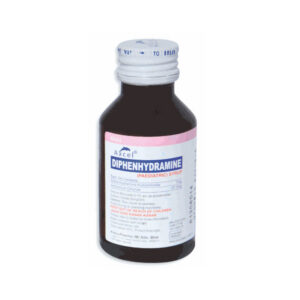
Prevent further contact with allergen, Ensure airway patency, Administer intramuscular adrenaline promptly, Administer antihistamines: chlorphenamine, Administer corticosteroids, Provide supportive treatment such as nebulized beta agonist, IV fluids to restore or maintain blood pressure and oxygen.
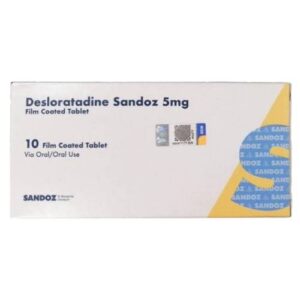
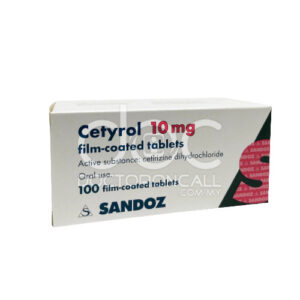
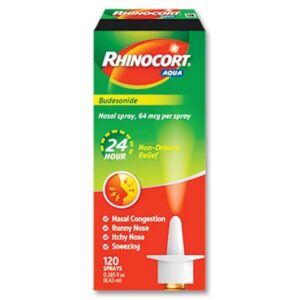
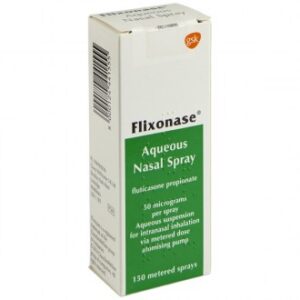
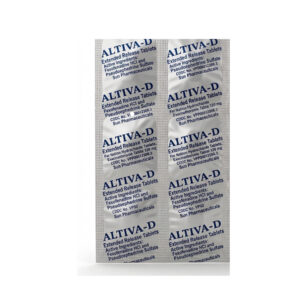
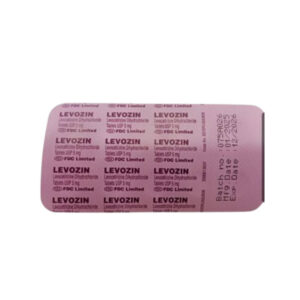
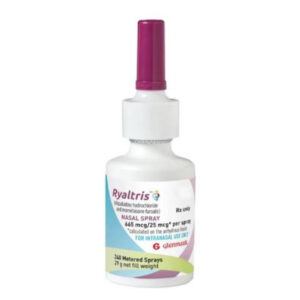
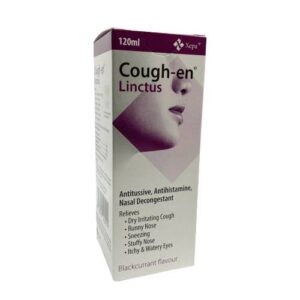
Available Severe Allergic Reactions Medicines





 Installment Available
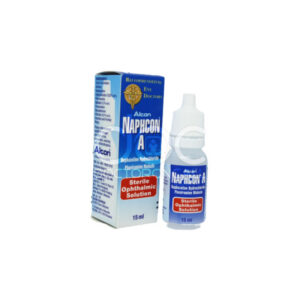
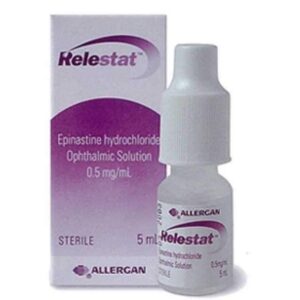
Relestat Eye Drop
Installment Available Relestat Eye Drop











 Installment Available