Fever


Overview of Fever
Fever is a temporary rise in body temperature. Someone is said to have a fever when the temperature exceeds 37.2°C in the morning or 37.8°C later in the day. It is one of the body’s defense mechanisms against infection. Fever can also be due to an inflammatory reaction that occurs in the body whether it is an acute or chronic inflammatory condition such as acute appendicitis. Fever is a symptom and the cause has to be found to treat it and a lot of the time, the cause could not be found.
Signs and Symptoms of Fever
Rise in body temperature, Shivering or chills, Feeling hot and sweaty, Fatigue, Headache, Muscle aches, Sweating, Dehydration, Loss of appetite, Irritability, Flushed face
Common Causes of Fever
Bacterial or viral infections such as pneumonia, chickenpox, flu, Overexposure to heat or sunlight, Heatstroke due to prolonged strenuous exercises, Dehydration, Certain immunisations such as a pneumococcal vaccine, or diphtheria, tetanus and acellular pertussis (DTaP) vaccine, Side effects of certain medications such as high blood pressure medications, antibiotics, and anti-epileptic medications, Certain inflammatory conditions such as rheumatoid arthritis and septic arthritis, Cancer, Alcohol withdrawal, Illegal drug abuse such as amphetamine or cocaine
Treatment and Prevention of Fever
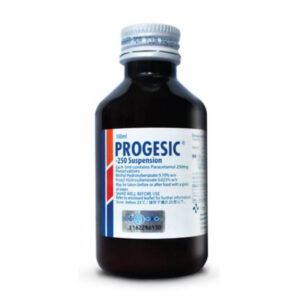
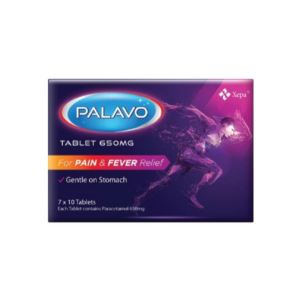
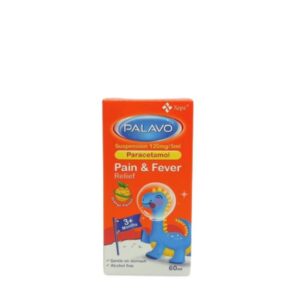
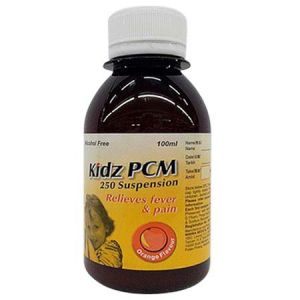
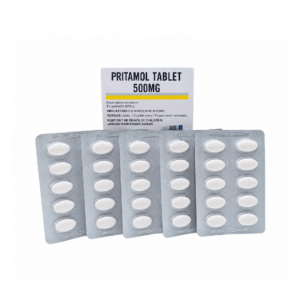
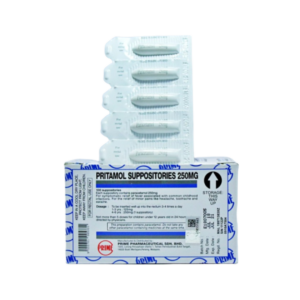
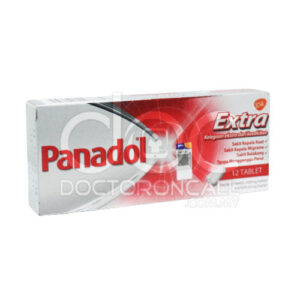
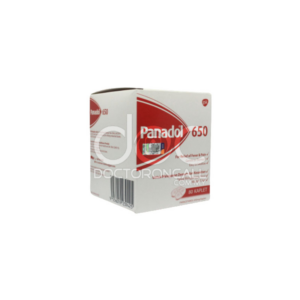
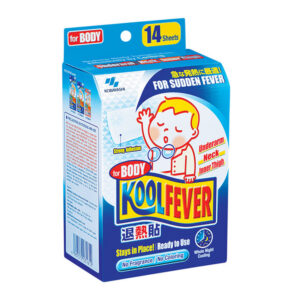
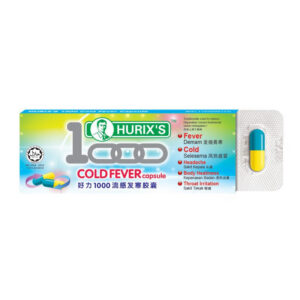
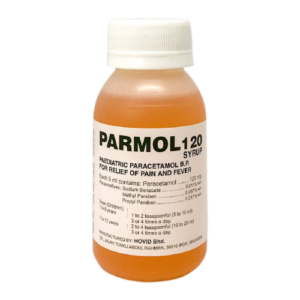
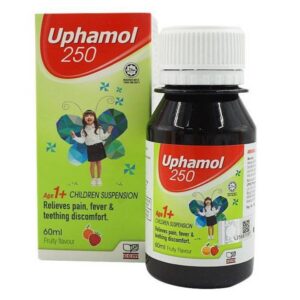
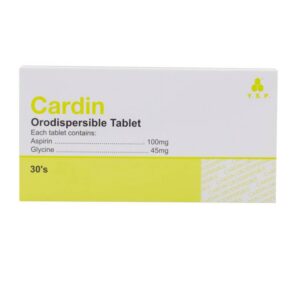
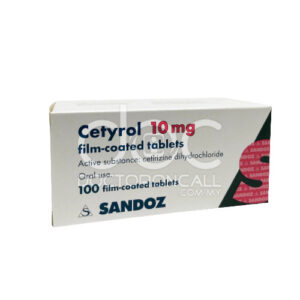
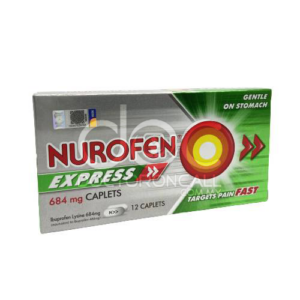
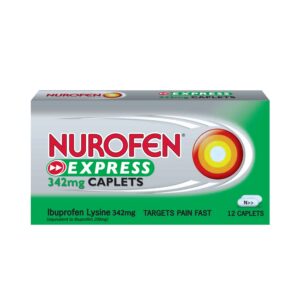
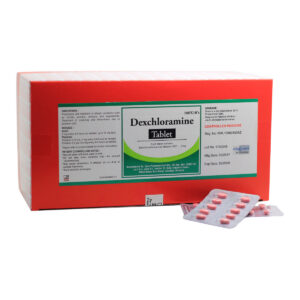
Oral medications such as acetaminophen, ibuprofen, antibiotics, Bed rest, Drink plenty of fluids, Tepid sponging, Avoid cold showers or baths, Dress in light clothing, Treat underlying cause