Weight Loss Injection vs Pill: Which Is Worth Spending Money On in Malaysia?
Weight loss treatments have changed fast in recent years. Many people now compare weight loss injections with weight loss pills malaysia to find the best option. Both can work, but they differ in cost, results, and convenience. Choosing the right one depends on your goals, budget, and lifestyle in Malaysia.
What Are Weight Loss Medications?
Weight loss medications help reduce appetite, control blood sugar, or block fat absorption. The most effective options today include GLP-1 drugs. These medications mimic natural hormones that signal fullness. They slow digestion and reduce hunger, which helps you eat less without strict dieting. Popular options include GLP-1 weight loss pills and injectable treatments prescribed by doctors.
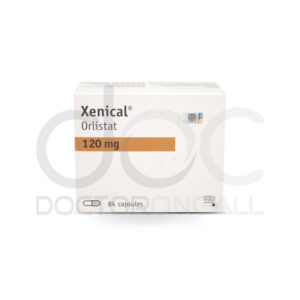
Xenical 120mg Capsule
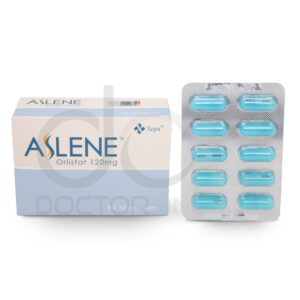
RM48.64 – RM156.75Price range: RM48.64 through RM156.75Xepa Aslene 120mg Capsule
Types of Weight Loss Options Available in Malaysia
Weight Loss Injections
Doctors in Malaysia commonly prescribe:
- Wegovy
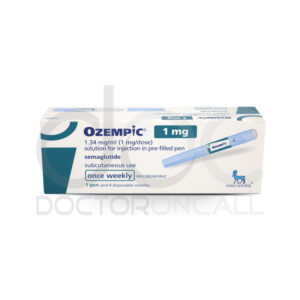
- Ozempic
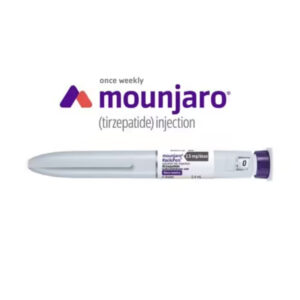
- Mounjaro
- Saxenda
These are often searched as Weight loss injections Ozempic, Weight loss injections Mounjaro, and Saxenda weight loss injection. They are taken weekly or daily depending on the brand.
Weight Loss Pills
Available options include:
- Rybelsus
- Duromine
- Orlistat
Many users search for Best weight loss pills in malaysia when looking for easier alternatives to injections. Supplements are also widely sold, but they usually provide weaker results.
Where to Get Safe Treatment in Malaysia
Weight loss medications should never be purchased from unverified online sellers or social media listings. Instead, seek consultation through regulated providers such as DoctorOnCall Malaysia, where prescriptions, follow-up care, and dosage adjustments are handled by licensed professionals.
Weight Loss Injection vs Pill: Cost Comparison in Malaysia
Medication | Type | Monthly Cost Range (MYR) | Dosing Frequency | Availability in Malaysia |
Wegovy | Injection (GLP-1) | RM 1,300 – RM 2,000 | Weekly | Limited availability |
Ozempic | Injection (GLP-1) | RM 900 – RM 1,500 | Weekly | Available (off-label for weight loss) |
Mounjaro | Injection (Dual incretin) | RM 1,500 – RM 2,500 | Weekly | Increasing availability |
Saxenda | Injection (GLP-1) | RM 1,200 – RM 1,800 | Daily | Widely available |
Rybelsus | Oral (GLP-1) | RM 400 – RM 800 | Daily | Available |
Duromine | Oral (Appetite suppressant) | RM 150 – RM 300 | Daily | Available (prescription required) |
Orlistat | Oral (Fat blocker) | RM 100 – RM 250 | Daily (with meals) | Widely available |
Weight loss supplements | OTC supplement | RM 80 – RM 200 | Daily | Widely available |
Key Insights from the Comparison
- Weight loss injections cost more but deliver stronger average results
- Oral medications offer lower upfront cost but require stricter adherence
- Weekly injections improve convenience compared to daily pills
- Availability varies, especially for newer treatments like Wegovy
For accurate pricing and access based on your condition, consult licensed providers such as DoctorOnCall Malaysia.
Cost vs Results: What Are You Paying For?
Higher pricing reflects stronger clinical outcomes. GLP-1 injections target appetite hormones directly, which leads to more consistent fat loss. Pills cost less upfront but may require longer use to achieve similar results. When comparing weight loss injection cost versus pills, consider total spending over several months, not just the monthly price.
Weight Loss Injection vs Pills: What’s the Difference?
The main difference lies in how the body absorbs the medication. Injections deliver the drug directly into the bloodstream. This leads to stronger and more consistent effects. Pills must pass through the digestive system. This reduces absorption and requires stricter timing. Most injections are taken once a week. Pills often require daily use under specific conditions.
Which Is More Effective for Weight Loss?
Clinical studies show that injectable GLP-1 drugs produce greater weight loss than oral options. Patients using wegovy injection or mounjaro for weight loss often lose 10 to 20 percent of body weight over time. Oral options like rybelsus weight loss support moderate results but usually fall behind injections. Effectiveness depends on dose, adherence, and lifestyle habits.
Side Effects and Safety Comparison
Injection Side Effects
Common issues include nausea, bloating, and mild digestive discomfort. These symptoms often improve as the body adjusts.
Side Effects of Weight Loss Pills
Searches for Side effects of weight loss pills often highlight:
- Increased heart rate with stimulants
- Digestive discomfort with fat blockers
- Headaches or sleep issues
Each medication carries different risks.
Which Is Safer?
Safety depends on your medical history. Doctors usually recommend GLP-1 treatments for patients with higher BMI or metabolic conditions. Always consult a licensed provider such as DoctorOnCall Malaysia before starting treatment.
Convenience and Lifestyle Factors
Injections require fewer doses but involve needles. Pills are easier to take but demand strict timing. Storage also matters. Some injections require refrigeration, which can affect travel and daily routines in Malaysia. Missing a pill dose may reduce effectiveness more quickly than missing a weekly injection.
Weight Loss Injections Reviews vs Pills
Real-world Weight loss injections reviews show higher satisfaction due to visible results. Many users report reduced cravings and steady progress. Pill users often prefer convenience but may experience slower changes. Consistency remains the key factor for both options.
Who Should Choose Injections vs Pills?
Choose injections if you want stronger and faster results. They suit individuals with higher weight loss goals. Choose pills if you prefer a non-invasive option or have budget constraints. Your decision should balance cost, comfort, and expected outcomes.
Weight Loss Programs in Malaysia
A structured weight loss program improves results significantly. Many clinics combine medication with nutrition and lifestyle coaching. Medical platforms like DoctorOnCall Malaysia provide access to licensed doctors, prescriptions, and ongoing support.
Access, Availability, and Real-World Use in Malaysia
Access Through Government Hospitals (KKM)
Public healthcare in Malaysia operates under the Ministry of Health Malaysia. GLP-1 medications are available in selected government hospitals, but access is restricted:
- Primarily prescribed for type 2 diabetes, not cosmetic weight loss
- Priority given to patients with uncontrolled diabetes or complications
- Limited supply means not all patients qualify
For weight management alone, most Malaysians seek treatment through private clinics or telehealth providers such as DoctorOnCall Malaysia.
Are Ozempic and Saxenda on Malaysia’s Essential Medicines List?
Malaysia’s Essential Medicines List focuses on cost-effective, widely needed treatments.
- Ozempic
Approved and registered, mainly for diabetes care - Saxenda
Approved for weight management but not typically classified as essential
This means access depends on clinical need and budget, not automatic inclusion in public supply.
Availability at Pharmacies in Malaysia
GLP-1 medications are not over-the-counter products.
Key points:
- Retail chains like Watsons or Guardian do not sell these medications directly
- A valid prescription is required before purchase
- Supply is often handled through clinics, hospitals, or licensed platforms
For example, Ozempic is available through regulated providers and online pharmacy services linked to DoctorOnCall Malaysia.
Real Patient Experiences in Malaysia
Doctors report that results vary widely depending on consistency, diet, and starting weight. The following examples reflect common patterns seen in clinical practice.
Case 1: GLP-1 Injection for Significant Weight Loss
A 38-year-old office worker in Kuala Lumpur started Wegovy after struggling with weight gain for several years. Within three months, appetite reduced noticeably. Portion sizes dropped without strict dieting. By month five, weight loss became more visible and sustainable. The patient described the biggest change as “not thinking about food all the time,” which improved adherence. Doctors note that this pattern is typical with weight loss injections, where hormonal regulation plays a central role.
Case 2: Switching from Pills to Injection
A 45-year-old patient initially tried Rybelsus due to fear of needles. Weight loss started slowly, with modest changes over the first two months. After switching to an injectable option, progress accelerated and became more consistent. This reflects a common clinical observation. GLP-1 weight loss pills can work, but injections often produce stronger outcomes.
Case 3: Budget-Conscious Approach with Pills
A 29-year-old user chose Duromine due to lower cost. Short-term appetite suppression helped reduce calorie intake. However, maintaining results required stricter discipline compared to injection-based treatments. This aligns with typical expectations for weight loss pills malaysia, where results depend more heavily on behavior.
FAQs
1. Which weight loss injection is easiest to maintain long term?
Adherence often depends on dosing frequency and side effects. Weekly options like Wegovy or Mounjaro tend to fit better into busy schedules compared to daily regimens.
2. Why do some people stop using weight loss injections early?
Early discontinuation usually relates to side effects, cost, or unrealistic expectations. Gradual dose adjustment and proper medical guidance can reduce drop-off rates significantly.
3. Can weight loss medications affect muscle mass?
Yes, rapid weight loss may include some muscle reduction. A structured plan that includes protein intake and resistance training helps preserve lean mass during treatment.
4. How do doctors decide between injections and pills?
Doctors assess BMI, metabolic health, eating patterns, and past weight loss attempts. Platforms like DoctorOnCall Malaysia use these factors to recommend a personalised approach.
5. What happens after you stop GLP-1 medications?
Appetite may return to baseline levels over time. Without lifestyle adjustments, some weight regain is possible, which is why long-term planning is important.
6. Are there hidden costs beyond the medication itself?
Yes. Costs may include consultation fees, follow-up visits, lab tests, and dose escalation. These factors affect the total weight loss injection cost over time.
7. Is it safe to combine weight loss pills with injections?
Combination therapy is not always recommended. Some drugs may overlap in mechanism or increase side effects. A doctor should evaluate safety before combining treatments.
8. Do weight loss medications work without diet changes?
They can reduce appetite, but results improve significantly with dietary control. Medication works best as part of a structured weight loss program, not as a standalone solution.
9. How do I know if a product is NPRA-approved in Malaysia?
You can check the product registration number through the National Pharmaceutical Regulatory Agency database. This helps verify authenticity and safety.
10. Where can I get medically supervised weight loss treatment in Malaysia?
Use licensed providers rather than informal sellers. Services like DoctorOnCall Malaysia connect you with registered doctors who can prescribe and monitor treatment safely.
Final Verdict: Which Is Worth Your Money?
If your goal is maximum weight loss, injections offer better value despite higher cost. If you want a simpler and more affordable starting point, pills remain a practical option. The best choice depends on your priorities, medical condition, and long-term commitment.
“All medications mentioned are subject to approval and regulation by the Ministry of Health Malaysia (KKM) and the National Pharmaceutical Regulatory Agency (NPRA). Always consult licensed providers such as DoctorOnCall Malaysia before starting treatment.”
Medical Review, Content Credibility And Local Regulatory Context (Malaysia)
Weight loss medications discussed in this article are regulated in Malaysia under the Ministry of Health Malaysia and the National Pharmaceutical Regulatory Agency. The NPRA evaluates safety, quality, and efficacy before approving medications such as Ozempic, Saxenda, and other GLP-1 therapies for use in Malaysia. Prescriptions must be issued by licensed medical practitioners. This ensures proper screening for contraindications, including endocrine conditions, gastrointestinal disease, and medication interactions. For safe access and medical guidance, consult licensed providers such as DoctorOnCall Malaysia, where registered doctors assess eligibility and monitor treatment progress.
About the Author
Written by: Phr. Anum Jawed
Doctor of Pharmacy (Pharm.D), MPhil (Pharmaceutics), Registered Pharmacist (RPh)
Medical Reviewer
Reviewed by: Dr. Mohd Izzat Amir Bin Awang
MBBS (Bachelor of Medicine and Bachelor of Surgery), University of Mansoura, Egypt
Institutional Credibility
This content is published in collaboration with DoctorOnCall Malaysia, a licensed digital healthcare platform that provides online consultations, prescriptions, and medication delivery across Malaysia.


-scaled-large.jpg)


-scaled.jpg)
.jpeg)
.jpeg)